Jump ahead
Thinking about switching to a raw food diet? Supporters boast it’s benefits, resulting in overall improved health. However, to effectively enjoy the positives of the raw diet, careful consideration of what your body needs and what foods meet those requirements is crucial.
What Is the Raw Food Diet?
The raw food diet is based on the theory that cooking food above 104–118°F (40–48°C) destroys food’s essential enzymes, vitamins, and minerals. It is characterized by eating uncooked, organic, and minimally processed foods for 75% or more of daily dietary intake.

Followers of the raw food diet believe that eating raw foods can improve health, increase energy, and assist in weight loss. This is based on the belief that the body’s pH is directly influenced by what we consume, and raw food can restore pH balance in the body. This is theorized to have detoxing effects and reduced inflammation.
Following the Raw Food Diet
Foods Allowed

The Raw Diet permits all types of foods. This diet has many variations, including vegan and vegetarian. The following foods allowed are:
- Cold-pressed coconut and olive oils
- Dried fruits and meats
- Fermented foods
- Grains, sprouted
- Legumes *warning: some legumes contain a toxic lectin that can be deadly.
- Natural sweeteners
- Nuts
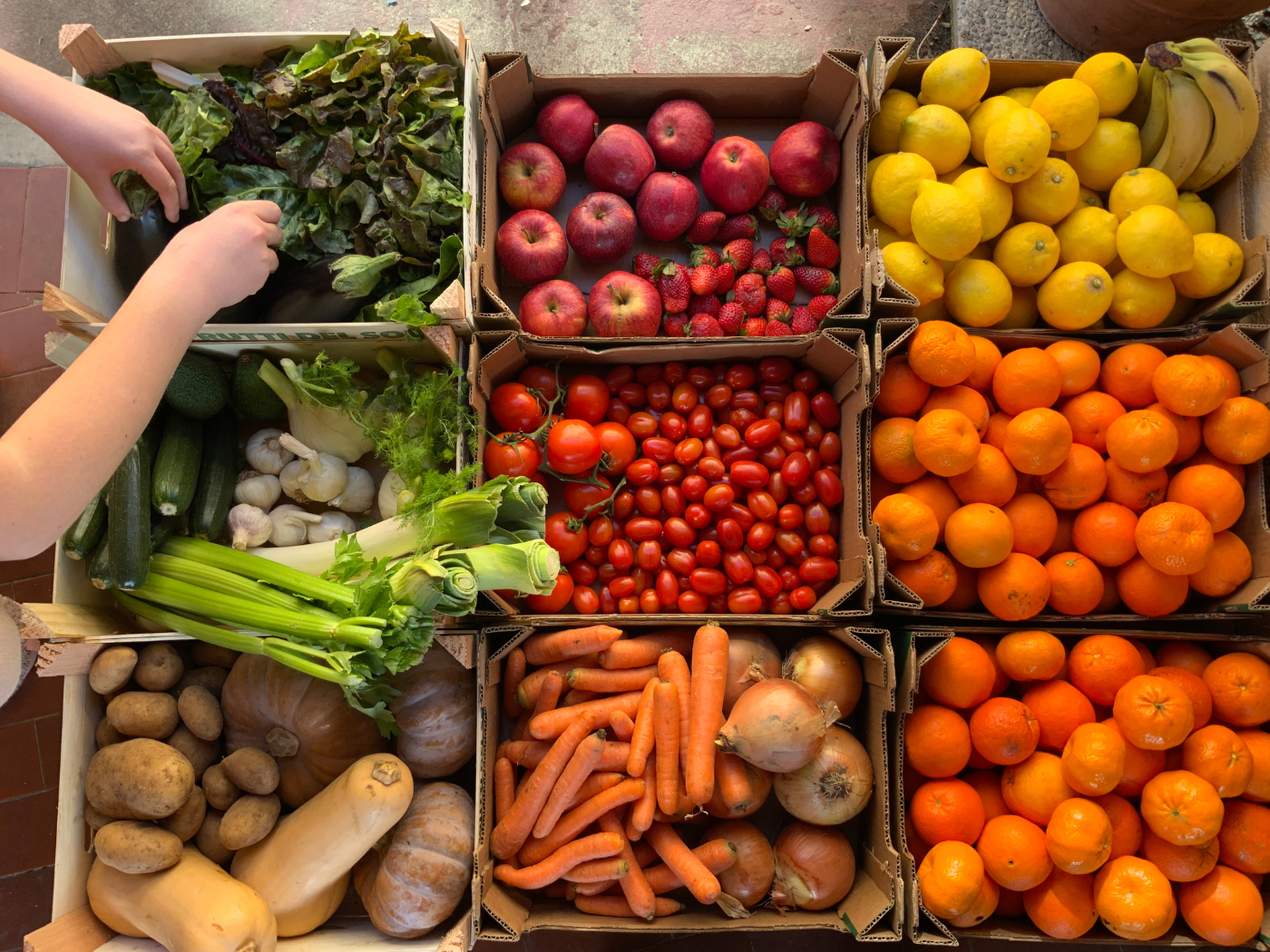
- Produce
- Raw dairy
- Raw eggs
- Raw meat
- Raw seafood
- Seeds, sprouted
- Spices and seasoning
Foods to Avoid

To be expected, any cooked, processed, or refined foods are to be excluded from this diet. This includes:
- Coffee/tea
- Cooked food
- Foods with additives
- GMOs and pesticides
- Gluten
- Hydrogenated foods
- Packaged and processed foods
- Pasteurized foods
- Refined sugars
Raw Food Preparation

Eating food raw does not mean you can’t prepare it. Acceptable preparation methods include:
- Blending
- Dehydrating
- Germinating
- Juicing
- Sprouting
If you are considering the raw food diet, consider investing in quality dehydrators, blenders, and food processors.
Benefits of the Raw Food Diet
Improved Skin Health

Skin improvement is a commonly reported benefit of switching to raw foods. This is likely thanks to eating lots of fresh fruits and vegetables which are packed with vitamins, minerals, and antioxidants. Increased hydration and limited-to-no consumption of processed foods means reduced breakouts from dietary inflammation.
Improved Digestion
The high fiber content in many raw foods improves digestion. This means better-regulated bowel movements, less bloating, and supporting a healthy gut microbiome.
pH Balancing

Many raw foods, especially fruits and vegetables, are claimed to have an alkalizing effect on the body. While the body tightly regulates its pH, consuming more alkaline foods is thought to help reduce the burden on its pH-balancing mechanisms and potentially support overall health.
Potential Concerns of the Raw Food Diet
While the raw food diet can offer some benefits, it’s important to be aware of several potential concerns and risks associated with this eating pattern.
Nutrient Deficiencies
Nutritional deficiencies are common in restrictive diets, especially in plant-based diets. The following are deficiencies associated with the raw food diet:
- B12
- Calcium
- Fats & fatty acids (Omega-3s)
- Iron
- Lycopene (activated by heat)
- Protein
- Selenium
- Vitamin D
- Zinc

These deficiencies may negatively impact health, negating the proposed benefits of the diet. Additionally, consuming large amounts of plant-based foods may result in excess antinutrients: goitrogens, lectins, oxalates, and phytic acid, which are associated with exacerbating deficiencies and somewhat reduced by cooking methods.
Food Safety
Indulge in nutritious raw foods by supporting local farms you can trust. Raw eggs, milk, meat, and seafood may contain harmful bacteria like Salmonella, E. coli, or Listeria, especially when sourced from dirty factory farms. It is crucial to source high-quality animal products to limit potential exposure to harmful pathogens.

Some raw foods should not be consumed in an uncooked form. For example, potatoes, white and red kidney beans, and fava beans should not be eaten raw. These foods can be toxic when uncooked and cause serious digestive upset. Only consume digestible and non-toxic foods in their raw form when following the raw diet.
Weight Loss Issues
While a positive for some, weight loss may be a concern for others. The emphasis on fruits and vegetables in many variations of the raw food diet can result in a significant calorie deficit. Adequate caloric intake is necessary for a balanced diet, especially for those who are physically active, pregnant, or young (still growing). To ensure appropriate caloric intake in the raw food diet, incorporate rich, calorie-dense foods in meals, such as olive oil, avocado, or nuts.
Manage a Healthy Raw Diet
Avoiding nutrient deficiencies is easy when you have countless nutritious raw meals to choose from. Utilize the Primally Nourished™ Recipe Database Filters to instantly curate dozens of compatible recipes. Simply select “Raw” as the preparation method to filter out all recipes that require cooking by heat above the raw diet threshold of 104–118°F (40–48°C).

Add recipes from the database to your Primally Nourished™ Menu Planner to view a nutrient breakdown of your meals by the day, week or month.
Summary
The raw food diet emphasizes eating uncooked, organic, and minimally processed foods, aiming to preserve natural enzymes and nutrients believed to improve health, boost energy, and support weight loss. It includes items like raw produce, nuts, seeds, and fermented foods while excluding cooked, processed, and refined products. Benefits include improved skin, digestion, hydration, and potential pH balance support. However, risks such as nutrient deficiencies (e.g., B12, calcium, and omega-3s), food safety concerns with raw animal products, and inadequate calorie intake for active individuals or those with higher needs must be addressed. Careful planning and incorporating calorie-dense foods are essential for sustainability and health.
Unlock your healthiest self with all-in-one wellness tools – access thousands of recipes, effortless menu planning, shareable meal plans, and smart shopping lists in one place. Start your free 14-day trial today, no payment info required! Learn more.