Jump ahead
Seed oils seem to be used in everything! From soybean, canola, and corn oil, it’s used in everything from fries to salad dressings. These oils are rich in linoleic acid, an essential omega-6 fatty acid that has been under fire for its potential downsides. Since the 20th century, linoleic acid consumption has increased significantly, mainly due to the widespread consumption of processed foods. While linoleic acid is vital for skin, metabolism, and cell function, too much may disrupt the balance with omega-3s, fueling inflammation and chronic diseases.
What is Linoleic Acid ?
Linoleic acid is an essential omega-6 polyunsaturated fatty acid. This means we get it from our diet because our bodies can’t produce it. Found in high amounts in seed oils, it’s critical for a balanced, healthy diet. Historically, humans consumed linoleic acid from whole foods like nuts and seeds, which maintained a balanced omega-6 to omega-3 ratio (1:1 to 4:1).
Today, industrial seed oils in processed foods have skewed the ratio to 10:1 or 20:1, raising health concerns.
When Taken in Moderation

In moderation, linoleic acid, when consumed in whole foods, offers clear benefits. It’s vital for maintaining a healthy skin barrier, aiding wound healing, and supporting cell repair. Linoleic acid from unprocessed foods ensures these benefits without overloading the body. The key is balance. You should pair omega-6s with omega-3s to prevent negative health effects. Choosing ingredients in their natural state is the best way to achieve this balance.
The Negative Health Impacts of Excess Linoleic Acid
While linoleic acid is an essential fatty acid the body needs in small amounts, consuming it in excess, especially from refined seed oils, has been linked to an array of health concerns.
Chronic Inflammation

Excess linoleic acid can fuel chronic inflammation, a root cause of many conditions. The modern diet’s high omega-6 intake disrupts the body’s inflammatory balance because it produces pro-inflammatory compounds. Some studies have identified the connection between the increase in omega-6 intake with the rise of a multitude of autoimmune, inflammatory, and allergic diseases.
Cancer

There is continued research into linoleic acid from the western diet’s high omega-6 consumption, amplifying certain cancer growth (ie. breast and prostate cancer). High levels of linoleic acid may increase cancer risk through oxidative stress (when free radicals build up and damage the body’s cells) and inflammation.
While still up for debate, the cumulative effect of multiple linoleic acid sources in the diet raises concerns, especially for those with genetic predispositions to cancer.
Diabetes

There has been continued discussion on the connection between linoleic acid and increasing rates of diabetes. While there is no clear-cut proof that omega-6 from vegetable oils is the culprit, linoleic acid remains one of the main culprits. This is based on a trend in Japan where, even though caloric intake remained relatively the same, obesity rates have significantly increased. While caloric intake remained the same, there has been a significant increase in omega-6-packed vegetable oils in food.
Heart Disease

While linoleic acid is often marketed as heart-healthy, excessive intake may paradoxically increase heart disease risk. A 2019 BMJ reanalysis of older trials found that high linoleic acid diets didn’t consistently reduce heart disease mortality and, in some cases, increased it due to oxidized LDL buildup, which contributes to atherosclerosis. A 2020 The Journal of Clinical Investigation study highlighted how linoleic acid metabolites can promote plaque formation in arteries. The imbalance with omega-3s further exacerbates inflammation, undermining cardiovascular benefits touted by earlier research.
Linoleic Acid and Seed Oils
Seed oils (soybean, canola, corn, and sunflower) are the primary drivers of high linoleic acid intake today. These oils are cheap, versatile, and ubiquitous in processed foods, restaurant cooking, and some home kitchens, either from consumers purchasing them believing the heart-healthy marketing or from purchasing products that contain them, contributing to linoleic acid making up 10-20% of daily calories in Western diets.

Industrial processing, involving chemical solvents and high heat, can degrade these oils, producing harmful compounds like trans fats or oxidized lipids, as noted in a 2023 Food Chemistry study. Unlike whole food sources (e.g., walnuts, chia seeds), refined seed oils lack protective nutrients like antioxidants, amplifying potential health risks. The shift from traditional fats like olive oil or butter to seed oils since the mid-20th century has fueled the omega-6 overload, disrupting dietary balance.
How to Limit Linoleic Acid Intake
Reducing linoleic acid intake starts with smart choices.
Cooking Oil

Swap high-linoleic seed oils for alternatives like extra virgin olive oil, avocado oil, coconut oil, and butter for baking, cooking, and dressings. Also, try cooking at lower temperatures and storing oils properly (cool, dark places) to minimize oxidation.
Omega-3s

Increase omega-3-rich foods like fatty fish (salmon, sardines), flaxseeds, pasture-raised eggs or walnuts. Aim for a 4:1 omega-6 to omega-3 ratio, as recommended by a 2021 Journal of Nutrition study.
Whole Foods

Choose whole food sources of linoleic acid, like nuts or seeds, which provide nutrients like vitamin E.
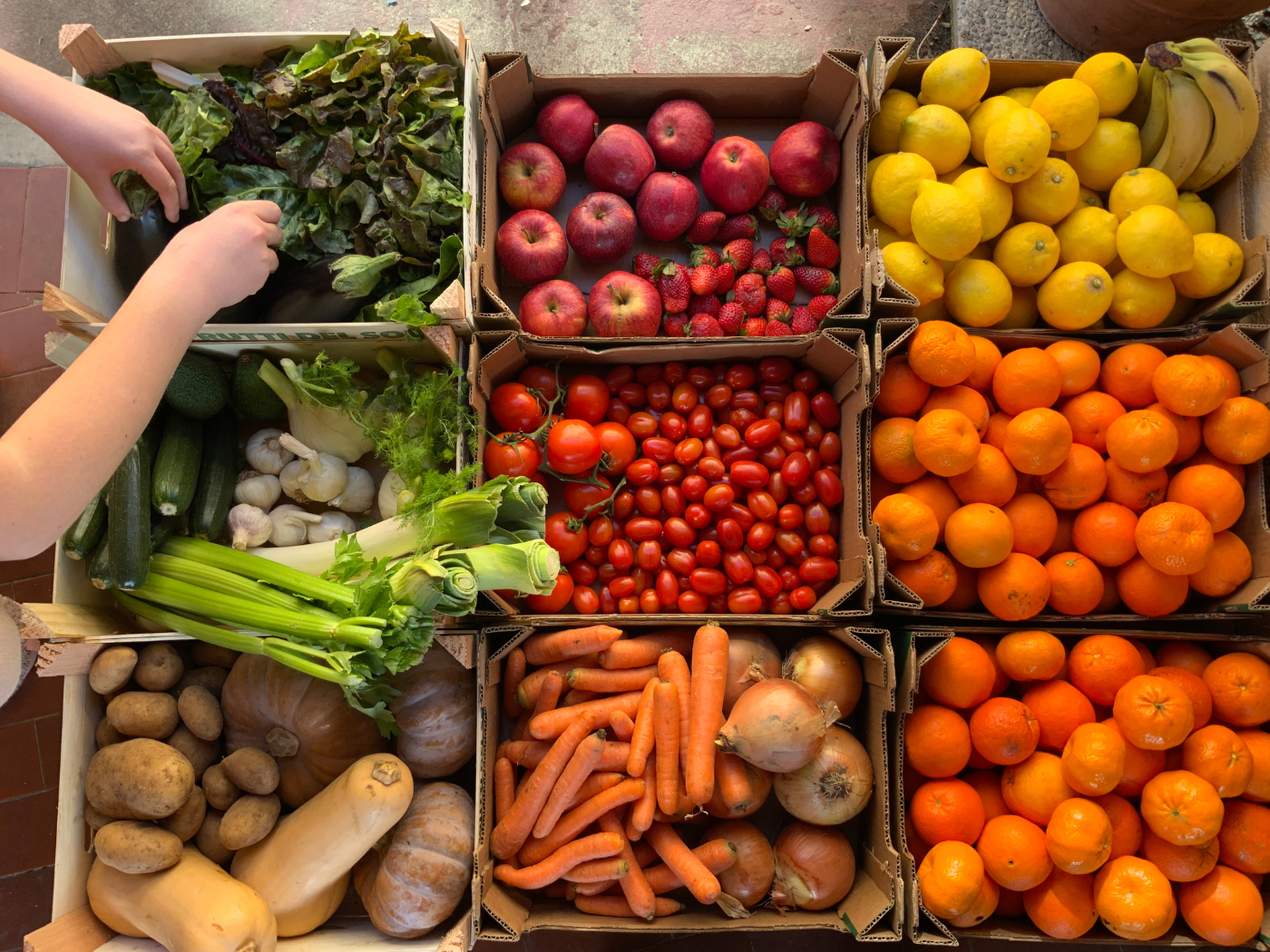
Avoid processed foods like chips, condiments, crackers, and fast food, which are loaded with seed oils; check labels for ingredients like “soybean oil” or “vegetable oil.”
Summary
Linoleic acid, an essential omega-6 fat abundant in seed oils, supports heart health, skin function, and metabolism when consumed in moderation, but excessive intake poses serious risks. High linoleic acid levels contribute to chronic inflammation, cancer, diabetes, and heart disease by disrupting the omega-6 to omega-3 balance and producing harmful metabolites. The ubiquity of processed seed oils in modern diets amplifies these dangers, especially when oils are refined under harsh conditions. To protect your health, limit seed oil consumption, prioritize omega-3-rich foods, and choose whole food sources or healthier oils like olive oil. Stay informed, make mindful dietary choices, and consult a healthcare professional to balance linoleic acid’s benefits and risks.
Limiting your intake of linoleic acid is easy when following the Primally Nourished whole food recipes. Start your 14-Day free trial today. Learn more