Jump ahead
Fruits and vegetables are super important for a healthy diet, packed with vitamins, minerals, and fiber. But what if the produce you’re eating comes with an unwanted side of pesticide residues? Each year, the Environmental Working Group (EWG) releases its Shopper’s Guide to Pesticides in Produce, highlighting the “Dirty Dozen,” the 12 non-organic fruits and vegetables with the highest pesticide levels. The 2026 list, updated with a new focus on pesticide toxicity, reveals concerning trends about the chemicals on our food. Let’s dive into the 2026 Dirty Dozen, explore why pesticide residues are rising, and share practical steps to reduce your exposure while still enjoying produce.
What is the Dirty Dozen?

The Dirty Dozen is an annual list made by the Environmental Working Group (EWG) that identifies the produce that is most contaminated with pesticides. The list currently includes 12 non-organic fruits and vegetables and takes into account 54,344 samples of 47 different fruits and vegetables, identifying 203 different pesticides. Before testing. The produce is thoroughly washed to best identify what contaminants would actually remain when washed properly. The EWG ranks the produce on four factors: number, presence, and amount of pesticides present, along with the new addition of pesticide toxicity.
The four factors mentioned above are also used in the EWG’s other list, the Clean Fifteen, which features produce with the lowest pesticide residue. We will outline the Clean Fifteen later in the blog.
The 2026 Dirty Dozen List
Here’s the 2026 Dirty Dozen, organized from highest to lowest pesticide residues:
- Spinach
- Kale, collard, and mustard greens
- Strawberries
- Grapes
- Nectarines
- Peaches
- Cherries
- Apples
- Blackberries*
- Pears
- Potatoes*
- Blueberries
Newer features to the 2026 list are blackberries and potatoes.
Blackberries, first tested in 2023 and averaging four contaminants per sample, most commonly contain the insecticide cypermethrin, which the EPA classifies as a possible carcinogen. Potatoes, which average two contaminants, show high concentrations of the growth regulator chlorpropham, a chemical banned in the EU in 2020 due to health concerns. Given that potatoes are the most consumed vegetable in the U.S., this is a serious cause for alarm.
Rising Pesticide Residues

The 2026 data paints a troubling picture: 75% of non-organic produce and 96% of Dirty Dozen items still showed detectable pesticide residues, even after washing. A major new concern is the widespread presence of PFAS “forever chemical” pesticides residues of these chemicals appeared on 63% of Dirty Dozen samples. Fludioxonil, a PFAS fungicide, was the single most frequently detected pesticide overall and, along with pyrimethanil, is linked to potential endocrine disruption that may interfere with hormones.
Some chemicals, such as chlorpropham on potatoes (found on 90% of samples), are applied post-harvest, making them especially difficult to remove. The rise of “pesticide cocktails” (multiple residues on a single piece of produce, with most Dirty Dozen items averaging four or more) remains particularly concerning, because regulations typically assess pesticides individually rather than in combination. This gap could mean amplified health risks, especially for vulnerable groups like children, infants, and pregnant women, whose developing systems are more susceptible to harm. Standout concerns to note include:
- Post-harvest pesticides: Applied after harvest for preservation; these chemicals can become infused in the produce and are nearly impossible to wash off.
- Pesticide cocktails: Multiple pesticides on a single crop can amplify negative health impacts beyond what individual assessments capture.
- US Agricultural Regulations: EPA residue limits often lag behind current science and are evaluated one chemical at a time, ignoring real-world mixture exposures.
The Dirty Dozen’s Impact on Health
As we have established above, pesticide residue is a major issue due to the associated harms to health. The major concerns include:
Cancer
Some pesticides detected on Dirty Dozen produce, such as certain organochlorines and fungicides, are classified as possible or probable carcinogens by organizations like the International Agency for Research on Cancer (IARC). Chronic exposure to these residues, even at low levels, may increase the risk of cancers like leukemia or breast cancer, particularly when combined with other environmental toxins.
Gut Health
Pesticides, fungicides, and herbicides disrupt the gut microbiome by causing dysbiosis, the imbalance of beneficial and harmful gut bacteria. Examples of dysbiosis-causing contaminants include chlorpyrifos, imazalil, and glyphosate. These chemicals weaken microbial metabolism, resulting in metabolic disorders and neurodevelopmental issues.
Research suggests long-term exposure to these chemicals may also weaken the gut wall, increasing permeability and inflammation, worsening conditions like inflammatory bowel disease (IBD), and impacting the gut-brain connection, potentially leading to anxiety and depression.
Hormone Disruption

Pesticide residues, such as fungicides found on 2026 Dirty Dozen produce, are linked to hormone disruption because they can mimic or block hormones like estrogen in the body. This interference can mess with growth, metabolism, and even mood. Meaning, it is extremely important for children and pregnant women to avoid these contaminants
Neurological Damage
Some pesticides can affect the nervous system and cause neurological damage. These contaminants can harm children’s brain development or lead to memory or coordination degradation in adults with extended exposure.
Organophosphates (a phosphorus-containing chemical pesticide) have been studied for their possible connection to neurological disorders like Parkinson’s disease, dementia, and other neurodegenerative diseases.
Reproductive Issues

Pesticide residues are associated with reproductive issues, including reduced fertility, birth defects, and pregnancy complications.
Chlorpropham, used to stop sprouting in nearly 90% of non-organic potatoes recorded by EWG, has been linked to reproductive toxicity in animal studies, raising concerns for humans. Exposure during pregnancy or early childhood can disrupt reproductive development, potentially leading to lower sperm counts or hormonal imbalances later in life.
What Can Consumers Do?
Don’t be afraid of fresh fruits and veggies! Here are some tips to limit contaminant exposure.
Organic Options

When it comes to the Dirty Dozen, we highly recommend you choose organic alternatives to limit contaminant exposure. If cost is a concern, you can get away with buying conventional (non-organic) Clean Fifteen produce because they have the lowest amount of pesticide contaminants.
The EWGs 2026 Clean Fifteen includes:
- Pineapple
- Sweet corn (fresh and frozen)
- Avocados
- Papaya
- Onions
- Sweet peas (frozen)
- Asparagus
- Cabbage
- Cauliflower
- Watermelon
- Mangoes
- Bananas
- Carrots
- Mushrooms
- Kiwi
Thoroughly Clean Outer Layer
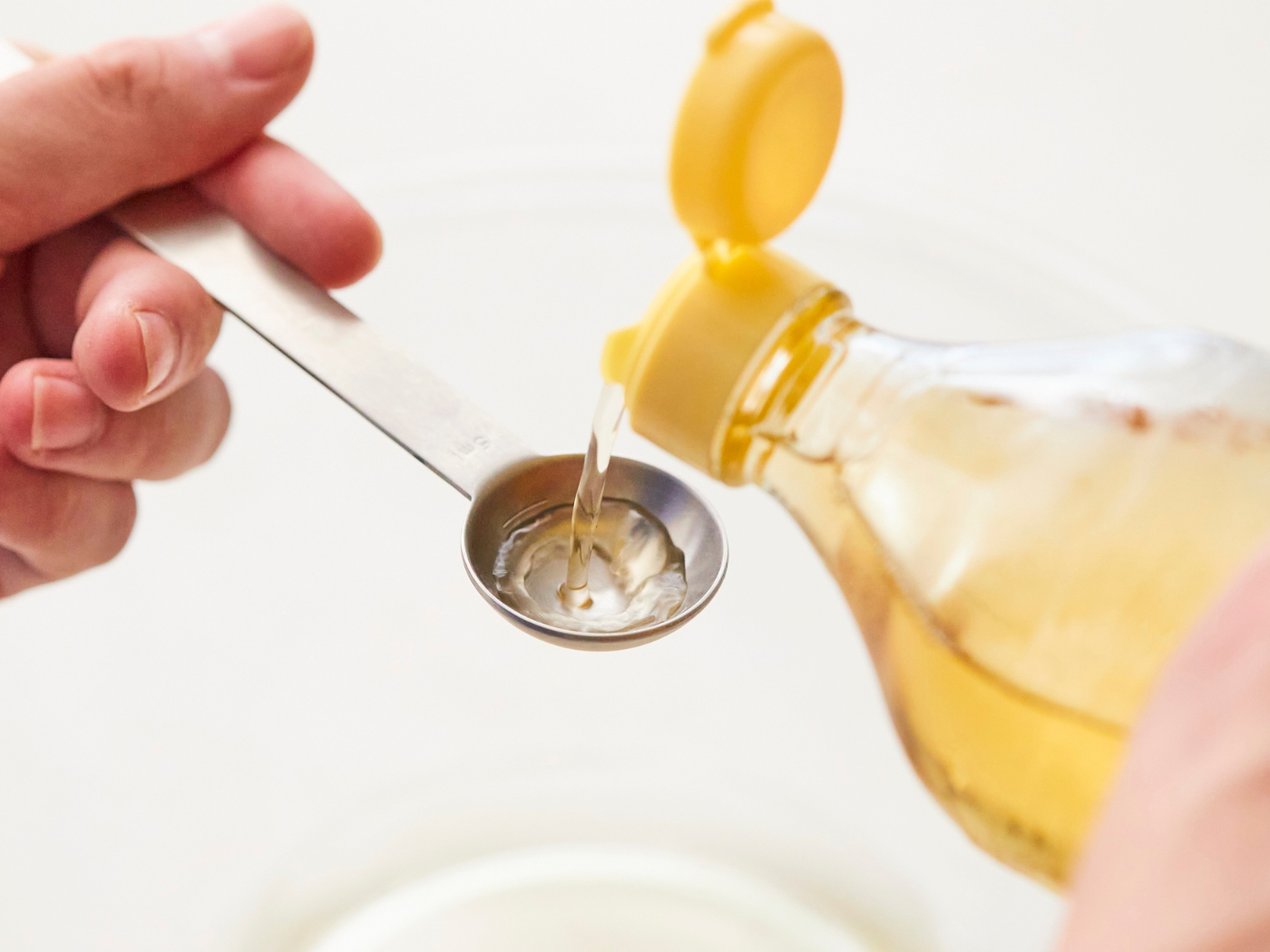
While not perfect, it’s important to remove as much contaminants from produce before eating or cutting. Below are 6 washing methods:

Support Sustainable Farming

Advocate for stricter pesticide regulations and shop at farmers’ markets or co-ops that prioritize eco-friendly practices. We always suggest buying locally organic or farmed using organic or biodynamic methods. Seek out farmers using heirlooms or ask your farmer to add them to their future crop planting plans. Why? Heirlooms are more genetically diverse, so they are more nutritious!
Consumers can play a pivotal role in advocating for cleaner food supplies by urging governing bodies to implement stricter regulations on pesticide use in agriculture. By supporting policies that prioritize organic farming, enforce rigorous residue testing, and limit harmful chemicals like organophosphates and neonicotinoids, Americans can push for safer produce that protects public health and the environment. Engage with local and federal representatives, support organizations like the Environmental Working Group, and demand transparency in food production to ensure a healthier, more sustainable food system for all.
Summary
The 2026 Dirty Dozen list shines a spotlight on the non-organic fruits and vegetables most laden with pesticide residues, with spinach, strawberries, and relative newcomers like blackberries and potatoes ranking high. This year’s guide also places new emphasis on pesticide toxicity and the growing presence of PFAS “forever chemicals,” including fludioxonil, the most frequently detected pesticide overall. These findings heighten concerns about chemical exposure, especially from “pesticide cocktails” that may pose greater risks than previously thought.
Eating fruits and vegetables remains essential for health, but smart choices (such as prioritizing organic for the Dirty Dozen and washing produce carefully) can help minimize risks. Use the EWG’s Shopper’s Guide to navigate the grocery store, and join the push for safer, sustainable food systems.
Learn more about possible poisons in your diet and how to limit contamination on Primally Nourished. Start your 14-Day free trial today. Learn more