Jump ahead
Histamine intolerance is a complex condition that affects a growing number of people, often resulting in confusing and persistent symptoms that can be difficult to diagnose. Histamine is crucial for immune responses and reactions to allergens. However, when the body cannot effectively break down histamine, often due to insufficient diamine oxidase (DAO) enzyme activity, it can lead to a variety of symptoms—some of which resemble allergic reactions. We will explore what histamine intolerance is, its symptoms, and how different foods can impact histamine levels in the body.
What Is Histamine Intolerance?
Histamine is a naturally occurring chemical that plays a crucial role in our body’s immune response, acting as a signal for the body to fight off allergens and infections. When exposed to an allergen, white blood cells, called mast cells, release histamine chemicals. Sometimes, histamines can accumulate in the body without an allergen. In simple terms, histamine intolerance is caused by the body being ineffective at breaking down histamine.

There are three ways in which the body can get overloaded: consuming high-histamine-containing foods, consuming histamine liberators, and consuming DAO blockers.
Some individuals have a higher risk of histamine intolerance because they either produce insufficient DAO or their DAO is impaired by genetic factors, certain medications, or health conditions like kidney or liver disease, or inflammatory bowel disease (IBD). Others may develop histamine intolerance over time due to long-term exposure to foods high in histamines.
Common Symptoms
Those with histamine intolerance experience a wide range of symptoms, many of which resemble common allergic reactions. This includes:
- Eye Irritation
- Itching
- Hives
- Rashes
- Runny Nose
- Throat Swelling
Hidden Symptoms
Some symptoms may appear unrelated, making diagnosis challenging. A few elusive symptoms include:
- Anxiety/depression
- Fatigue
- Gastrointestinal difficulty
- Nausea
- Migraines
- Rapid Heart Rate
- Vertigo

The tricky aspect of histamine intolerance is the individualized nature of how your body reacts to histamines. Symptoms can appear at different times and manifest differently depending on the person. Primally Nourished has identified 133 symptoms and conditions relating to histamine intolerance. Take the symptoms quiz to narrow in on a potential histamine intolerance.
Mast Cell Activation Syndrome

If you are sensitive to histamines, you may have Mast Cell Activation Syndrome (MCAS). This is a condition where the immune cells, called mast cells, become too active and can release too many chemicals, including histamine. While similar to histamine intolerance, MCAS affects other inflammatory chemicals. This can lead to widespread inflammation throughout the body and affect multiple organ systems, often resembling severe allergic reactions.
Histamines In Your Diet
If you suspect you have histamine intolerance, avoiding trigger foods is key in reducing symptoms. It is important to be aware of foods that exacerbate histamine intolerance symptoms. This includes foods that are high in histamines, contain histamine liberators, or block DAO.
High-Histamine Foods

High-histamine foods introduce significant amounts of histamine into the body. Foods with high histamine levels are often aged, fermented, or processed. Some examples include aged cheeses like cheddar and gouda, cured or smoked meats such as salami and prosciutto, and fermented products like sauerkraut, kimchi, and soy sauce. Certain types of fish, especially canned or preserved, such as tuna, mackerel, and sardines, also contain elevated histamine levels.
Histamine Liberators

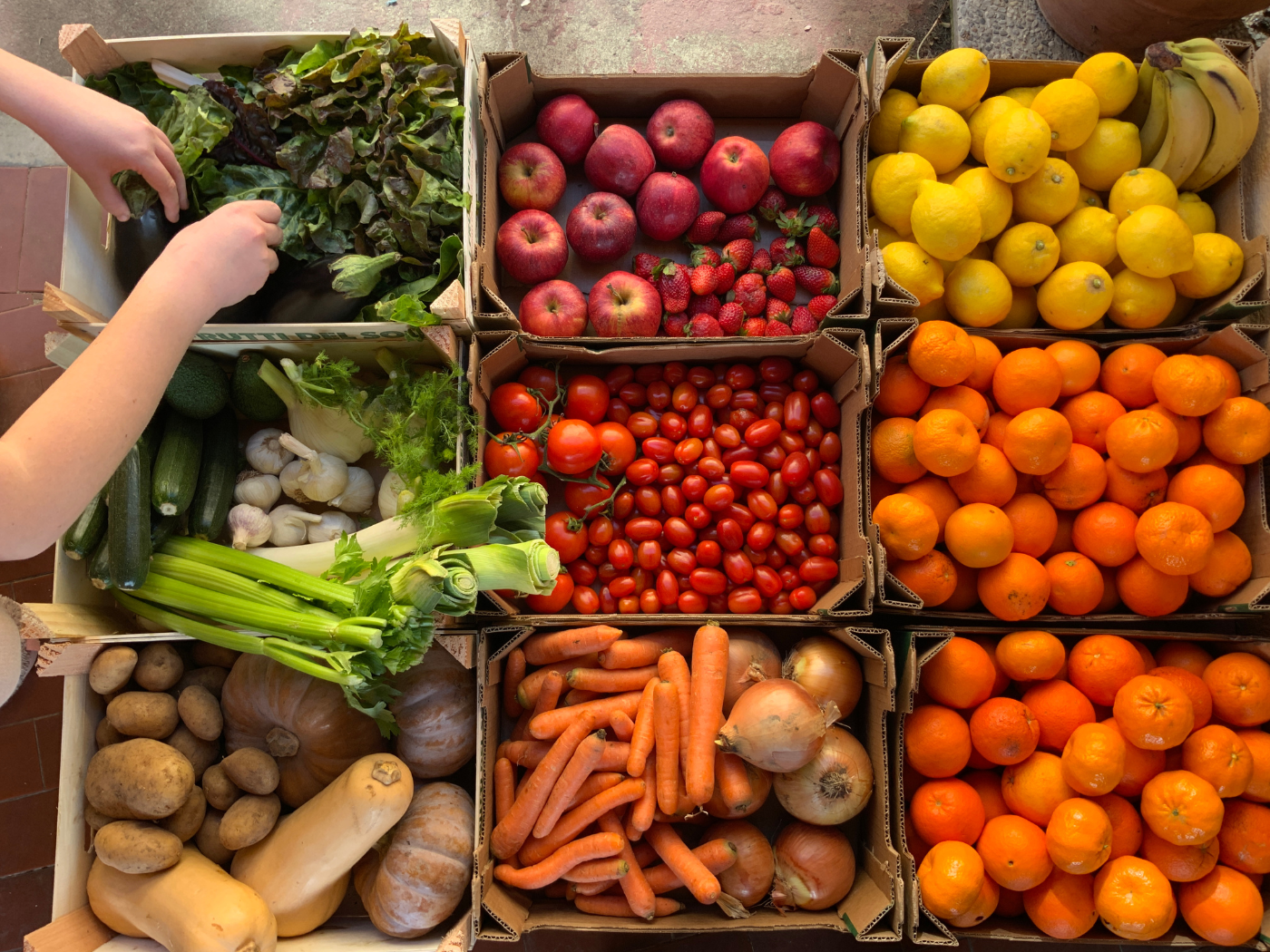
Certain foods act as histamine liberators, which can trigger the release of histamine already in your body. Common histamine liberators include tomatoes, strawberries, eggplants, spinach, and citrus fruits. Some processed or packaged foods with additives and preservatives, like artificial flavorings or dyes, can also act as histamine liberators.
DAO Blockers

The DAO enzyme that breaks down histamines in the body can become less effective when consuming DAO-blocking foods. Alcohol is one of the most well-known inhibitors of DAO, particularly beer and wine. Energy drinks, black tea, and green tea have also been shown to reduce DAO activity.
Low-Histamine Diet

Low-histamine diets are extremely beneficial to those with histamine intolerance. A diet rich in fresh, minimally processed foods that support antihistamine activity in the body can significantly reduce intolerance symptoms while ensuring proper nutrition. These foods are typically fresh and unprocessed since histamine builds up as food ages or ferments. It is important to note that this diet does not attempt the impossible task of eliminating histamines from your diet. It simply helps the body manage histamine levels more effectively
Low-Histamine Foods
Some low-histamine foods include:
- Apricot
- Bell pepper
- Broccoli
- Cabbage
- Carrot
- Coconut
- Cranberry
- Cucumber
- Melons
- Pomegranate
- Potato
- Quinoa
- Rice
- Zucchini
Natural Antihistamines

Some foods contain natural antihistamine or mast cell-stabilizing properties that help reduce histamine release in the body, including, but not limited to:
- Apples
- Peaches
- Sweet Potato
- Onions
- Garlic
- Ginger
- Peppermint
- Thyme
- Turmeric
Instantly access the complete list of low-histamine and natural antihistamine foods, plus countless low-histamine recipes when you start your Primally Nourished™ 14-day free trial (no payment info required).
DAO Enzyme Support

Along with eating low-histamine foods, you can support DAO enzymes by strengthening gut health. The following are some beneficial supplements:
- Copper
- Omega 3
- Vitamin B6
- Vitamin C
- Zinc
Sourcing
Freshness is crucial for managing histamine levels; the fresher the food, the lower its histamine content. Choose low-histamine options like meat, poultry, and seafood that have been frozen immediately after harvest. When using these foods, be sure to thaw, prepare, and serve them quickly. Ideally, use items straight from the freezer to minimize histamine buildup.
Summary
Managing histamine intolerance can feel overwhelming, but a thoughtful approach to diet and lifestyle can make a significant difference in reducing symptoms. By understanding which foods are high in histamine, promote histamine release in the body, or inhibit DAO, individuals can make informed choices to reduce histamine overload.
Additionally, choosing low-histamine foods and incorporating natural antihistamines are dietary adjustments that can offer symptom relief and enhance daily well-being. Whether you’re dealing with histamine intolerance or are simply exploring histamine’s role in health, learning to balance histamine intake is a step toward better managing this complex intolerance and living a healthier life.
Primally Nourished specializes in tools for exploring food intolerance and elimination diets. With user-friendly search filters and a reintroduction feature, these intuitive tools empower individuals to manage dietary changes. Learn more.