Jump ahead
The connection between diet and skin health is more profound than many realize. From acne to dryness, the foods we consume play a crucial role in determining our complexion’s clarity and vibrancy. Nutrient-rich foods can enhance your natural glow, while processed snacks and sugary treats may lead to breakouts and dullness. We’ll explore the fascinating ways your diet impacts your skin, uncovering the best foods to nourish your complexion and revealing simple dietary changes that can help you achieve that healthy, radiant glow you’ve always wanted.
Nutrition and Acne
Diet plays a role in the development and severity of acne, with certain foods linked to increased breakouts. Research indicates that high-glycemic index foods can elevate insulin levels, which may stimulate sebum production and promote the growth of acne-causing bacteria on the skin. Diets high in fatty and refined sugary products, and potentially dairy, were more likely to cause acne symptoms. Making mindful dietary choices can be a valuable strategy for those looking to improve their skin health.
High-Glycemic Index

Examples of high-glycemic foods include:
- Processed foods
- Sugary foods and beverages
- refined carbohydrates
Low-Glycemic Index

A low-glycemic and fiber-rich diet can significantly benefit individuals with acne by reducing inflammation and improving insulin sensitivity. This leads to a notable decrease in acne lesions and inflammatory responses. Some examples include:
- Oatmeal
- Apples
- Beans
- Basmati rice
Cow’s Milk

The reasons why cow’s milk may worsen acne in some individuals are still not fully understood, even though observational studies suggest a connection, particularly with skim and low-fat varieties. Importantly, not all dairy products, such as yogurt and cheese, have been linked to this issue. We posit that modern dairy practices, which are far removed from our ancestor’s nourishing whole, raw A-2 milk, free from A-1 proteins, pasteurization, homogenization, and harmful substances in feeds, may have an uninvestigated role in this link could play an unexplored role in the link between dairy consumption and health outcomes.
Omega-3 Fatty Acids

Omega-3 fatty acids, particularly eicosapentaenoic acid (EPA) and docosahexaenoic acid (DHA) are known for their anti-inflammatory properties, which may play a crucial role in managing acne. These fatty acids can also help regulate oil production in the skin, potentially reducing acne’s severity, making omega-3s a promising dietary approach for those struggling with this condition. Omega-3s can be found in:
- Dietary supplements
- Salmon
- Flaxseed
- Chia seeds
- Walnuts
Foods that Prevent Fine Lines and Wrinkles

Diet plays a role in the formation of wrinkles, with certain foods having the potential to either accelerate or mitigate the aging process of the skin. Research indicates that diets rich in antioxidants, collagen, and monosaturated fats may help reduce the appearance of wrinkles by combating oxidative stress, inflammation and promoting elasticity.
Collagen

Collagen is the most abundant protein in the body and plays a vital role in maintaining skin elasticity and structure. Consuming protein-rich foods can significantly support collagen production, providing the essential amino acids needed for this process. For instance, animal products such as beef, poultry, fish and eggs are excellent sources of these amino acids. Plant-based proteins such as beans and nuts can also contribute to collagen synthesis.
Fats
Monounsaturated fats (MUFAs) offer significant benefits for skin health, helping to reduce wrinkles and lower the risk of severe photoaging from sun exposure. Foods rich in MUFAs, such as olive oil, avocados, and nuts, possess anti-inflammatory properties that combat oxidative stress, a key contributor to skin aging. Incorporating these fats can enhance your skin’s appearance and resilience against environmental damage.

Saturated fats also affect skin health, with higher intakes linked to increased skin elasticity and hydration. Fats like lard and tallow resemble our own lipid profiles, supporting the skin’s lipid barrier to maintain moisture and protect against stressors. They can also aid in the absorption of fat-soluble vitamins (A, D, E, and K), which are crucial for skin health.
Polyunsaturated fat, arachidonic acid, an omega-6 fatty acid found in butter and lard contributes to the structural integrity of skin cells and helps maintain moisture while aiding in the resolution of inflammation.
Fruits and Veggies for Radiant Skin
Nutrition plays a vital role in influencing skin tone and radiance, with specific dietary choices significantly impacting skin health. Increased consumption of fruits and vegetables, particularly those rich in carotenoids and vitamins, has been shown to enhance skin appearance, leading to a more vibrant complexion.
Carotenoids
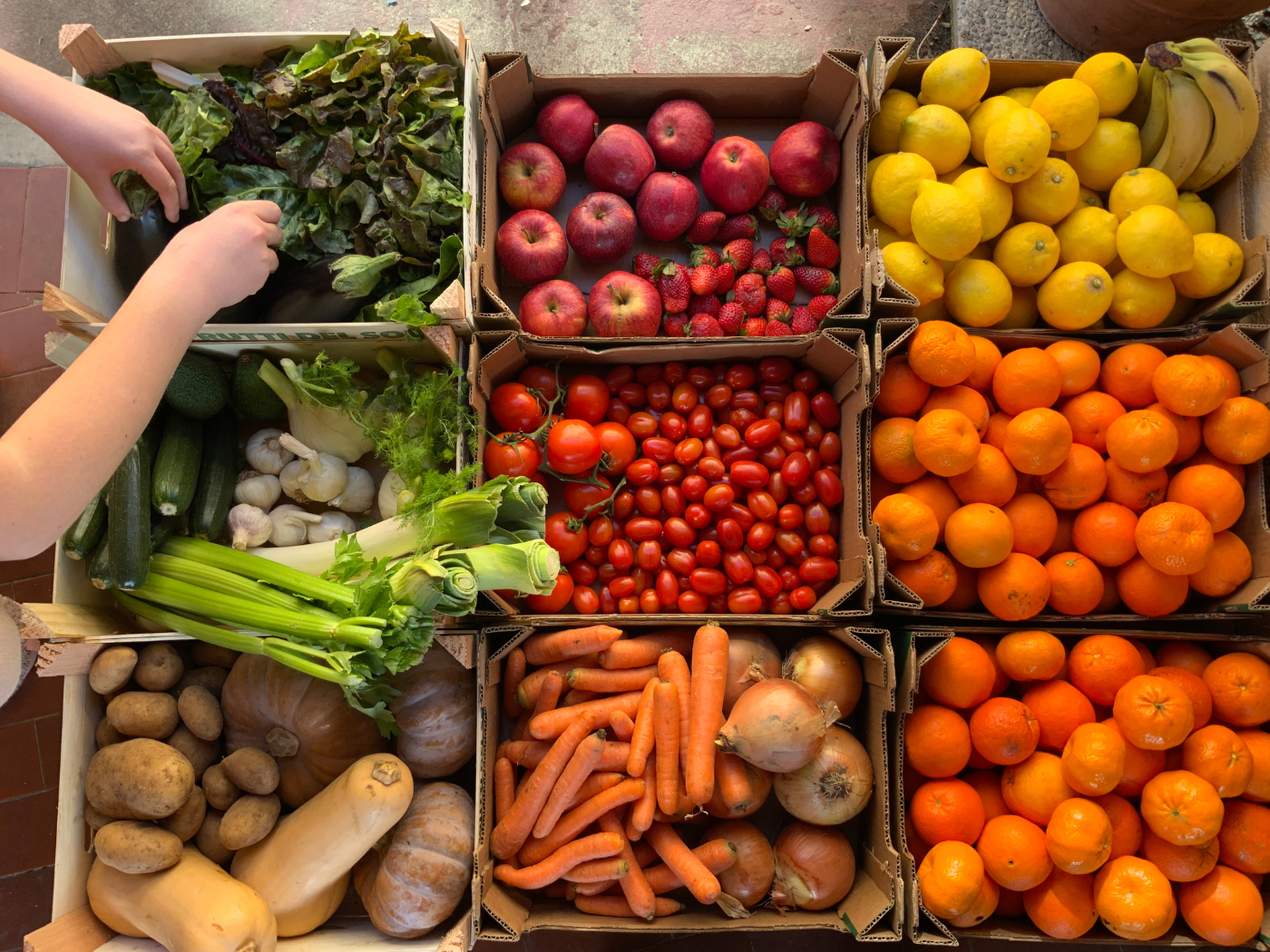
Carotenoids in colorful fruits and vegetables significantly benefit skin health by protecting against UV damage and reducing signs of aging. Research shows that carotenoids have photoprotective properties, helping to decrease skin sensitivity to UV radiation and mitigate oxidative stress. A diet rich in carotenoids can improve skin elasticity, hydration, and texture while reducing wrinkles and age spots. Incorporating carotenoid-rich foods into your diet can enhance your skin’s resilience against environmental damage and promote a more youthful appearance.

Carotenoid-rich foods:
- Bell pepper
- Butternut squash
- Carrots
- Pumpkins
- Sweet potatoes
- Tomatoes
Vitamin C

Vitamin C offers numerous benefits for skin health, making it a staple in many skincare routines. As a powerful antioxidant, it helps combat free radicals that can cause oxidative stress and damage to the skin, thereby slowing the aging process. Research indicates that vitamin C can improve the appearance of fine lines and wrinkles by promoting collagen synthesis, essential for maintaining skin elasticity and firmness. Additionally, vitamin C aids in reducing hyperpigmentation and dark spots by inhibiting melanin production, leading to a more even skin tone. It also protects against UV damage, enhancing overall skin resilience. Berries, rosehip, and camu camu are excellent sources of vitamin C.
Dry Skin or Dehydration?
Drink More Water!
It’s important to note that dehydrated skin is different from dry skin. Dehydrated skin lacks water, while dry skin lacks natural oils. Dehydration is a temporary condition that can affect all skin types, including oily skin.

The National Academy of Medicine recommends a daily fluid intake of approximately 13 cups for men and 9 cups for women, with each cup equivalent to 8 ounces. Those in hotter climates or with active lifestyles will demand more water than average to stay hydrated. If you consistently fall short of your hydration goals, you may develop various skin problems:
- Itchiness and sensitivity
- Dullness and uneven skin tone
- Inflammation and redness
- Tightness and flakiness
- Increased appearance of fine lines and wrinkles
- Dark circles and sunken eyes
- Congestion and clogged pores
- Decreased skin brightness
- Increased skin sensitivity
- Rough texture
Electrolytes
Electrolytes like calcium, magnesium, potassium, and sodium help your skin retain water. They attract and bind water to skin cells, enabling better hydration and promoting a strong epidermal barrier.
Electrolyte drinks or supplements may help replenish the body’s electrolyte stores, supporting overall hydration. Stick to drinks and supplements with ample electrolytes, minimal additives, and sugars.
Inflammatory Conditions
Eczema, Psoriasis, and Dermatitis
Inflammatory skin conditions like eczema and psoriasis can benefit from dietary sources rich in anti-inflammatory compounds, such as ginger, turmeric, and omega-3 fatty acids. Ginger contains gingerols and shogaols, which help reduce redness and irritation while providing antioxidant protection against free radical damage. Turmeric, primarily known for its active compound curcumin, offers strong anti-inflammatory benefits that soothe irritated skin and promote an even skin tone.

Research indicates that omega-3 fatty acids, particularly EPA and DHA, can alleviate symptoms of inflammatory skin diseases by enhancing skin barrier function, reducing inflammation, improving hydration, and decreasing dryness and itching in individuals with eczema. Incorporating these nutrient-rich foods into your diet can support your skin’s health and resilience against irritation and inflammation.
Diets That Promote Skin Health
Combatting Acne
Adopt a Low-Glycemic Diet: Incorporate fiber-rich foods like oatmeal, apples, beans, and basmati rice, and reduce consumption of processed and sugary foods.
Increase Omega-3 Fatty Acid Intake: Add salmon, flaxseed, chia seeds, and walnuts to your diet, or consider omega-3 dietary supplements.
Mindful Dairy Consumption: Be mindful of cow’s milk intake, especially skim and low-fat varieties.
Reduce Fine Lines and Wrinkles
Boost Collagen Production: Consume protein-rich foods like beef, poultry, fish, and eggs. You can also include plant-based proteins from beans and nuts to boost collagen
Embrace Fats: Boost the healthy fats in your diet by generously using extra virgin olive oil for cooking and dressings. Incorporating animal fats like grass-fed butter or lard to enhance the flavor of your dishes. Don’t forget to enjoy the creamy richness of avocados and the satisfying crunch of nuts in your meals. All offer skin-loving nutritional benefits.
Enhancing Skin Tone and Radiance
Increase Carotenoid-Rich Foods: Add colorful fruits and vegetables to your diet, such as sweet potatoes, carrots, butternut squash, pumpkin, tomatoes, and bell peppers.
Prioritize Vitamin C Sources: Increase vitamin C intake through natural sources, such as berries, rosehip, and camu camu.
Incorporate Anti-Inflammatory Foods: Add ginger and turmeric to your meals or beverages and increase your omega-3 fatty acid intake to help manage any inflammatory skin conditions and prevent acne.
Support Skin Barrier Function: Focus on foods rich in EPA and DHA. Stay hydrated to improve skin moisture retention.
Helpful Tools

Simplify the process of incorporating skin health-promoting foods using the Primally Nourished™ Recipe Database filters to curate countless nutrient-dense, whole foods recipes. Whether you want to reduce inflammation, boost hydration, or improve elasticity, this powerful tool will help you create delicious and nutritious meals tailored to your specific wellness goals. Learn More.
Summary
Diet plays a crucial role in skin health, influencing conditions like acne, fine lines, and overall radiance. A low-glycemic, fiber-rich diet and increased intake of omega-3 fatty acids and antioxidants such as vitamin C and carotenoids can enhance skin clarity and resilience. Mindful dietary choices can lead to clearer, healthier skin and a more vibrant complexion.
Explore Primally Nourished suite of tools to embrace a healthy lifestyle with ease! All things health all in one place, the management of me made simple! Learn more.