Jump ahead
Chronic inflammation has become a growing concern in today’s health landscape, often linked to various diseases such as heart disease, diabetes, and even cancer. While inflammation is a natural response of the immune system to injury or infection, certain foods can exacerbate this condition, leading to long-term health issues. Understanding which foods contribute to inflammation is crucial for making informed dietary choices. Common culprits include highly processed foods, refined carbohydrates, and certain fats that can trigger inflammatory responses in the body. By identifying and minimizing these foods in our diets, we can take proactive steps toward reducing inflammation and promoting overall health.
The Impact of Inflammation on the Body
Chronic inflammation can have profound adverse effects on the body, often operating silently and unnoticed until serious health issues arise. Unlike acute inflammation, which is a protective response to injury or infection, chronic inflammation persists over time and can significantly damage healthy cells, tissues, and organs. This ongoing immune response is linked to several serious conditions, including:
- Alzheimer’s
- Arthritis
- Cancer
- Depression
- Diabetes
- Heart Disease

Additionally, chronic inflammation contributes to oxidative stress, which further exacerbates tissue damage and increases the risk of developing debilitating diseases. Symptoms such as fatigue, joint pain, and digestive issues may signal underlying inflammation, making it crucial to address dietary choices that promote this harmful state.
Inflammation from Foods

The Standard American Diet (SAD) is characterized by high consumption of processed foods, processed meats, refined grains and oils, and added sugars, which contribute to a pro-inflammatory state in the body. Recent studies indicate that approximately 57% of U.S. adults have diets that promote inflammation, increasing the risk of chronic diseases such as heart disease and diabetes. Common inflammatory foods include fried foods, sugary beverages, and refined carbohydrates, which can lead to weight gain and exacerbate inflammatory processes.
Anti-Inflammatory Diet

An anti-inflammatory diet can significantly enhance overall health by reducing chronic inflammation linked to various diseases. Anti-inflammatory foods include:
- Coffee and tea
- Fatty fish: Mackerel, sardines, salmon, and tuna
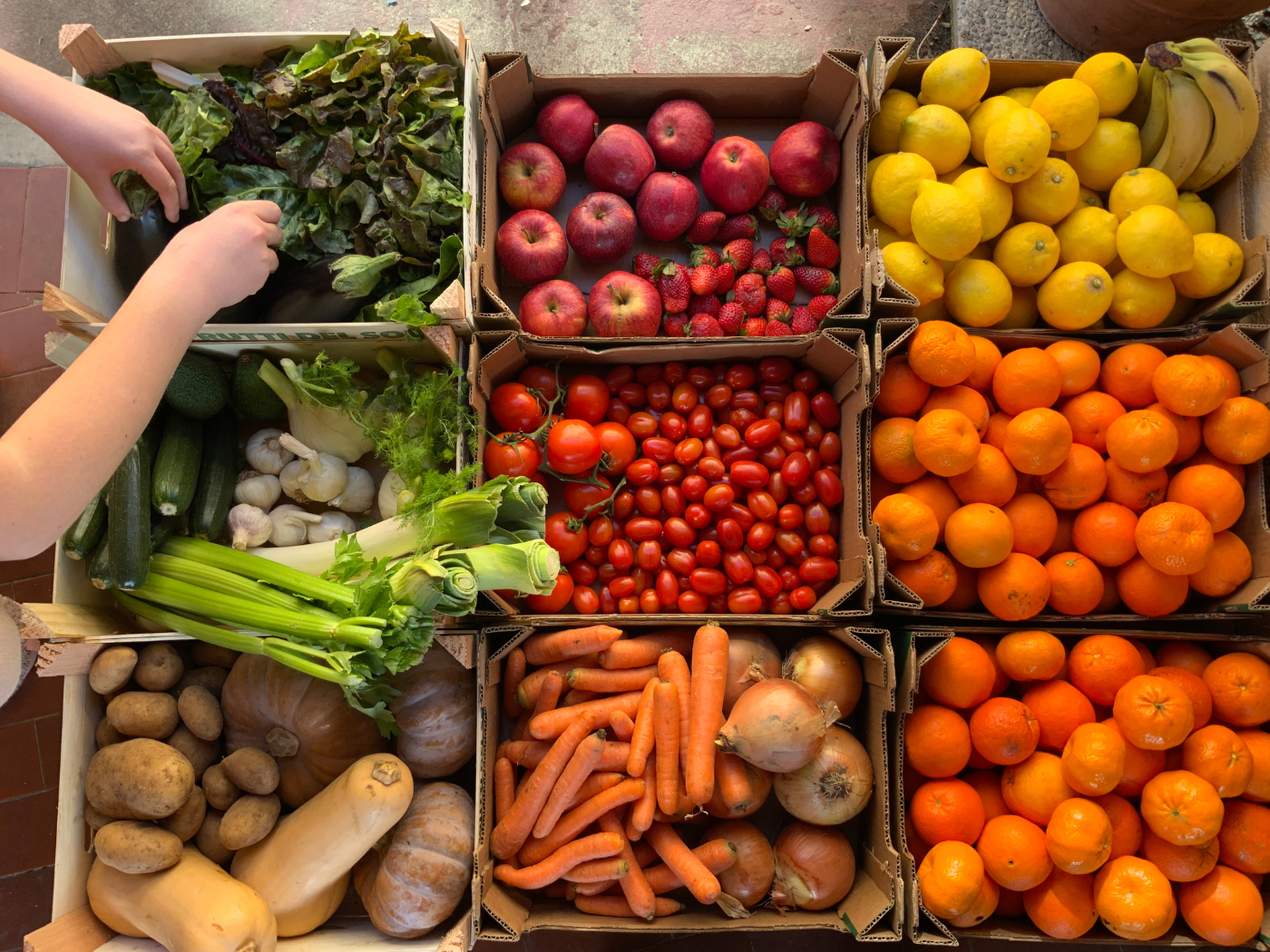
- Fruits: Apples, berries, cherries, citrus, and pineapple
- Green leafy vegetables: Collards, kale, and spinach
- Healthy fats: Avocado, butter, coconut oil, extra virgin olive oil, and clean animal fats
- Herbs: Basil, garlic, ginger, rosemary, and thyme
- Nightshades: Pepper and tomatoes (unless intolerant)
- Nuts and seeds: Almonds, chia, walnuts
- Omega-3s: Algal oil, chia seeds, fatty fish, flaxseed, hemp seeds, and walnuts
By emphasizing whole, nutrient-dense foods, this diet helps lower the risk of chronic conditions like heart disease, diabetes, and certain cancers. Adding anti-inflammatory foods rich in antioxidants and omega-3 fatty acids can also alleviate symptoms of inflammatory diseases, such as rheumatoid arthritis and inflammatory bowel disease.

Additionally, this dietary approach may improve pain management and enhance recovery from existing health issues by promoting a balanced immune response and reducing inflammatory markers in the body. Overall, adopting an anti-inflammatory diet not only supports physical well-being but also contributes to long-term health benefits.
Prioritize foods rich in:
- Antioxidants: neutralize free radicals and inhibit the production of pro-inflammatory cytokines and signaling pathways, thereby reducing chronic inflammation.
- Essential fatty acids (omega-3s): reduce the production of pro-inflammatory molecules such as cytokines and eicosanoids.
- Minerals: support various biochemical processes in the body, including immune function and antioxidant defense. For instance, minerals like zinc and magnesium help regulate inflammatory responses and reduce oxidative stress.
- Polyphenols/Flavonoids: help reduce inflammation by blocking the action of pro-inflammatory enzymes and substances in the body. They also protect against oxidative stress, which is linked to inflammation.
Summary
Did you know that what’s on your plate could fuel inflammation in your body? From sneaky sugars to processed snacks, certain foods can spark a fire within, leading to chronic health issues. Chronic inflammation often precedes numerous health conditions, and by understanding how certain foods impact health and making dietary choices that reduce inflammation like fruit, vegetables, healthy fats, and omega-3s.
Join us to learn more about inflammation, the anti-inflammatory diet, and beneficial foods. Let us help you transform your culinary experience with our anti-inflammatory filter, designed to effortlessly guide you to delectable recipes featuring powerful anti-inflammatory ingredients that nourish your body and elevate your vibrant health!
Primally Nourished offers comprehensive wellness tools featuring an intuitive recipe database with advanced search capabilities. Users can find tailored recipes, including anti-inflammatory options, by filtering beneficial nutrients, ingredients, and dietary needs. These tools empower individuals to manage their health journey effectively Learn more.
Sources
https://primallynourished.com/u/nutritional-knowledge/category/food
https://www.uchicagomedicine.org/forefront/gastrointestinal
https://health.clevelandclinic.org/foods-that-can-cause-inflammation
https://onlinelibrary.wiley.com/doi/10.1155/2016/7432797
https://www.mayoclinic.org/healthy-lifestyle/nutrition-and-healthy