Jump ahead
Humans have been culturing and fermenting foods for many thousands of years. The practice of fermentation is deeply rooted in human history. It has not only helped in food preservation but also in improving nutritional quality, enhancing flavor, and promoting gut health.
Explore how adding cultured and fermented foods to your diet can improve gut health and promote overall well-being, all while delighting your taste buds with their rich flavors and unique textures. These deliciously tangy foods blend age-old traditions with modern nutrition, supporting digestion, enhancing nutrient absorption, and strengthening your immune defenses.
What Are Cultured and Fermented Foods?

Cultured and fermented foods are those that have undergone a process where microorganisms such as bacteria, yeast, or molds convert sugars and other components into beneficial substances. This process not only preserves the food but also enhances its nutritional value, making it easier to digest and increasing the bioavailability of certain nutrients. These foods are rich in probiotics, which are live beneficial bacteria that support gut health and overall wellness.
Examples of Cultured and Fermented Foods:
- Yogurt: Made from fermented milk using live bacterial cultures.
- Kefir: A fermented milk drink with a tangy flavor, containing a mix of bacteria and yeast.
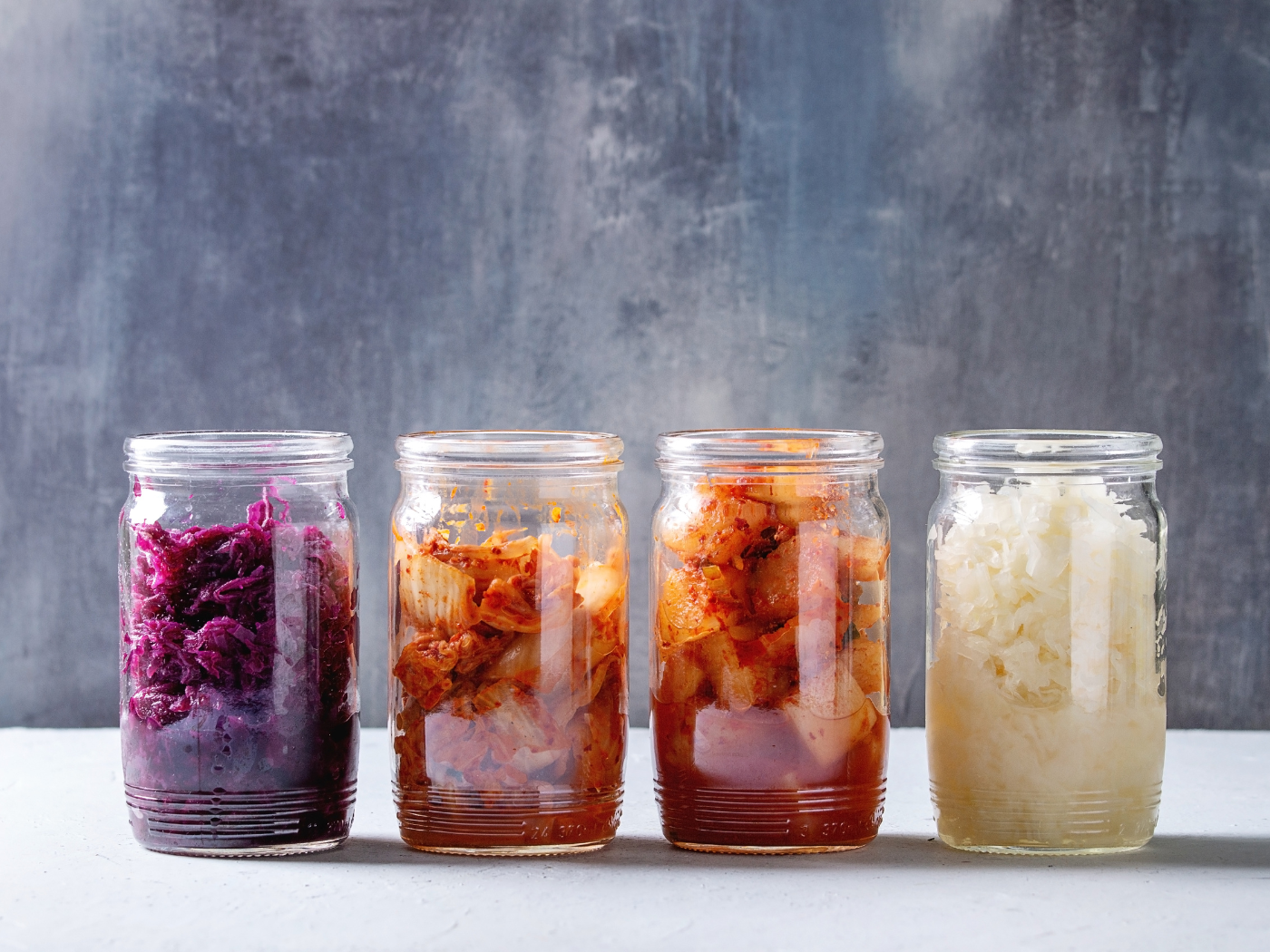
- Sauerkraut: Fermented cabbage that is rich in probiotics and vitamins.
- Kimchi: A spicy Korean dish made from fermented vegetables, primarily Napa cabbage and radishes.
- Tempeh: A fermented soybean product that serves as a protein-rich meat alternative.
- Miso: A Japanese paste made from fermented soybeans, often used in soups.
- Kombucha: A fermented tea beverage that contains a symbiotic culture of bacteria and yeast (SCOBY).
- Pickles: Cucumbers fermented in brine or vinegar can contain live cultures if unpasteurized.
- Sourdough Bread: Bread made using naturally fermented dough with wild yeast and lactic acid bacteria. The live bacteria are baked out, so bread is not a probiotic food.
- Cheese: Many varieties are made through fermentation processes involving specific bacterial cultures.
Health Benefits of Cultured and Fermented Foods

Cultured and fermented foods offer a wealth of health benefits stemming from their unique production processes and beneficial probiotics. Here are some key advantages:
- Enhanced Gut Health: Fermented foods are rich in probiotics, which help maintain a healthy balance and diversity of gut bacteria, improving digestion, nutrient absorption, and immune function.
- Reduced Inflammation: Regular consumption of fermented foods has been associated with lower levels of inflammatory markers in the body, which is crucial for preventing chronic diseases like diabetes and cardiovascular issues.
- Boosted Immune Function: Probiotics found in fermented foods can enhance the immune system by promoting the growth of beneficial gut bacteria and inhibiting harmful pathogens.
- Improved Nutrient Availability: The fermentation process increases the bioavailability of certain nutrients, making minerals and vitamins more accessible for absorption.
- Support for Mental Health: Due to the connection between gut health and mental well-being (gut-brain axis), consuming fermented foods may positively influence mood and cognitive function due to their impact on gut microbiota.
Cultured and Fermented Food Concerns

While cultured and fermented foods offer numerous health benefits, there are several concerns associated with their consumption that should be considered:
- Contamination: Fermented foods may become contaminated with harmful microorganisms such as E. coli, Salmonella, and Listeria, particularly if low-quality ingredients are used or sanitation practices are neglected during production. These pathogens can cause foodborne illnesses and outbreaks, potentially leading to serious health issues, including hospitalization or even death. Understanding and following food safety protocols is important when preparing fermented foods.
- Digestive Discomfort: The introduction of probiotics from fermented foods can lead to temporary side effects such as gas, bloating, and diarrhea, especially for those who are not accustomed to high-fiber or probiotic-rich diets. These symptoms typically resolve as the gut microbiome adjusts.
Making Fermented Foods at Home
Improper fermentation practices can lead to spoilage and the growth of harmful bacteria. Following safe food handling guidelines and sticking to trusted recipes when fermenting at home is crucial to prevent contamination.
Histamine Intolerance
Some individuals may experience adverse reactions to fermented foods due to their histamine content. People with histamine intolerance can suffer from symptoms like headaches, digestive upset, and allergic reactions when consuming these foods.
Tips to Implement Cultured and Fermented Foods in Your Diet
Want to start implementing more cultured and fermented foods into your diet? Here is the best way to effectively adjust.
Start with Familiar Foods

- Yogurt: Choose yogurt that contains live cultures.
- Kefir: This yogurt-like drink is rich in probiotics and can be consumed independently or added to smoothies.
- Fermented Pickles: Shelf stable pickles do not contain live cultures. Check the refrigerated section to find live pickles.
Try Homemade Ferments
- Make Your Own: Discover the art of fermentation with our easy-to-follow recipes to safely start fermenting. This allows you to control the ingredients and fermentation process, ensuring a healthy product. It’s simpler than you might imagine!
- It’s not always about sauerkraut; there are a myriad of delicious ferments like beverages, fruits, condiments, chutneys, salsa. Be adventurous and explore the possible ways to work these gut-supportive foods into your diet.
Gradually Increase Intake
- Start Small: If you’re new to fermented foods, begin with small portions to allow your gut to adjust.
Stay Informed About Labels

- Read Labels Carefully: Not all fermented products contain live probiotics. Look for terms like “naturally fermented” and check for live cultures on the label.
Emphasize Variety
- Mix It Up: Different fermented foods contain various strains of beneficial bacteria. Incorporating a variety of these foods can help diversify your gut microbiome, which is linked to better health outcomes. Explore our cultured and fermented recipe section for a wealth of inspiration to keep your meals exciting and diverse!
- Get Creative: Use the brines from ferments in raw recipes like veggie smoothies or to make salad dressing, drizzle over veggies, or blend into a soup just before serving.
Summary
Are you ready to embrace this time-honored tradition of fermented and cultured foods? Adding these foods into your diet is a simple and effective way to improve overall health. These foods support gut health, improve nutrient absorption, reduce inflammation, and boost immune function. While there are concerns of potential contamination or affecting those with histamine intolerance, these risks can be managed through high-quality products, following safe fermentation methods, and slowly introducing these foods into your diet. Sample the rich history of cultured foods that have nourished generations and discover how incorporating these foods into your diet can enhance your health and elevate your meals today!
Explore Primally Nourished suite of tools and heal your gut! All things health all in one place, the management of me made simple! Learn more.