Jump ahead
Delve into the rich world of culinary fats as we compare time-honored traditional fats with modern seed oils. Discover the unique properties, health benefits, and how you can elevate your cooking while influencing flavor and nutrition. Join us on this flavorful journey to make informed choices for your kitchen and well-being!
What are Traditional Fats?
Traditional fats, sourced from animals and certain plants, have been used in cooking for thousands of years and play a vital role in human nutrition. These fats, including saturated and monounsaturated varieties, are typically solid at room temperature and provide greater stability for high-temperature cooking than many modern seed oils.
Beyond their culinary advantages, traditional fats are valued for their rich flavors and nutritional benefits that align better with our biology. They contain essential fat-soluble vitamins (A, D, E, and K) and other beneficial compounds that support overall health. Incorporating these natural fats into the diet can enhance gut health and improve nutrient absorption. Additionally, their satiating properties help reduce cravings and promote better weight management.

Some well-known traditional fats include:
- Butter
- Coconut oil
- Ghee
- Lard
- Olive oil
- Tallow
Traditional fats have been integral to culinary practices across cultures and continue to be embraced for their flavor and nutritional properties.
Industrialization of Our Dietary Fats
Vegetable (seed) oils originated as novel ways to use byproducts from other industries. These oils found their way into the kitchen and were heavily marketed as cheap alternatives to traditional animal-based fats. Heart disease, obesity, and Alzheimer’s started to pop up in the population around this time. The American heart association (AHA) was created to address this concerning rise while also accepting funding from the big players in the industry that directly benefited from their recommendations.
In the 1960s, the AHA started its campaign touting polyunsaturated (vegetable oils) as “heart-healthy” and saturated fats as the cause of heart disease, diabetes, and obesity. Although this was based on weak incomplete science, research showing the opposite was primarily ignored or intentionally buried to push the campaign.

The growing popularity of seed oils coincides with a rise in health issues such as cardiovascular disease, obesity, Alzheimer’s, and diabetes, which were previously rare. Although this is merely a correlation, it warrants consideration. Americans have shifted from consuming 0 grams polyunsaturated oils (seed or vegetable) to an average of 90 grams per day, representing a substantial change in dietary habits.
To get the average 5 T. of oil consumed daily, you would need to eat 98 ears of corn, 5 cups of soybeans, or 2800 sunflower seeds; without industrial processing, we would not naturally encounter such high levels of polyunsaturated fats in our diets. Cheap vegetable/seed oils are added to an alarmingly wide assortment of foods; check any label on packaged foods, and it will likely be there.
What Are Seed Oils?
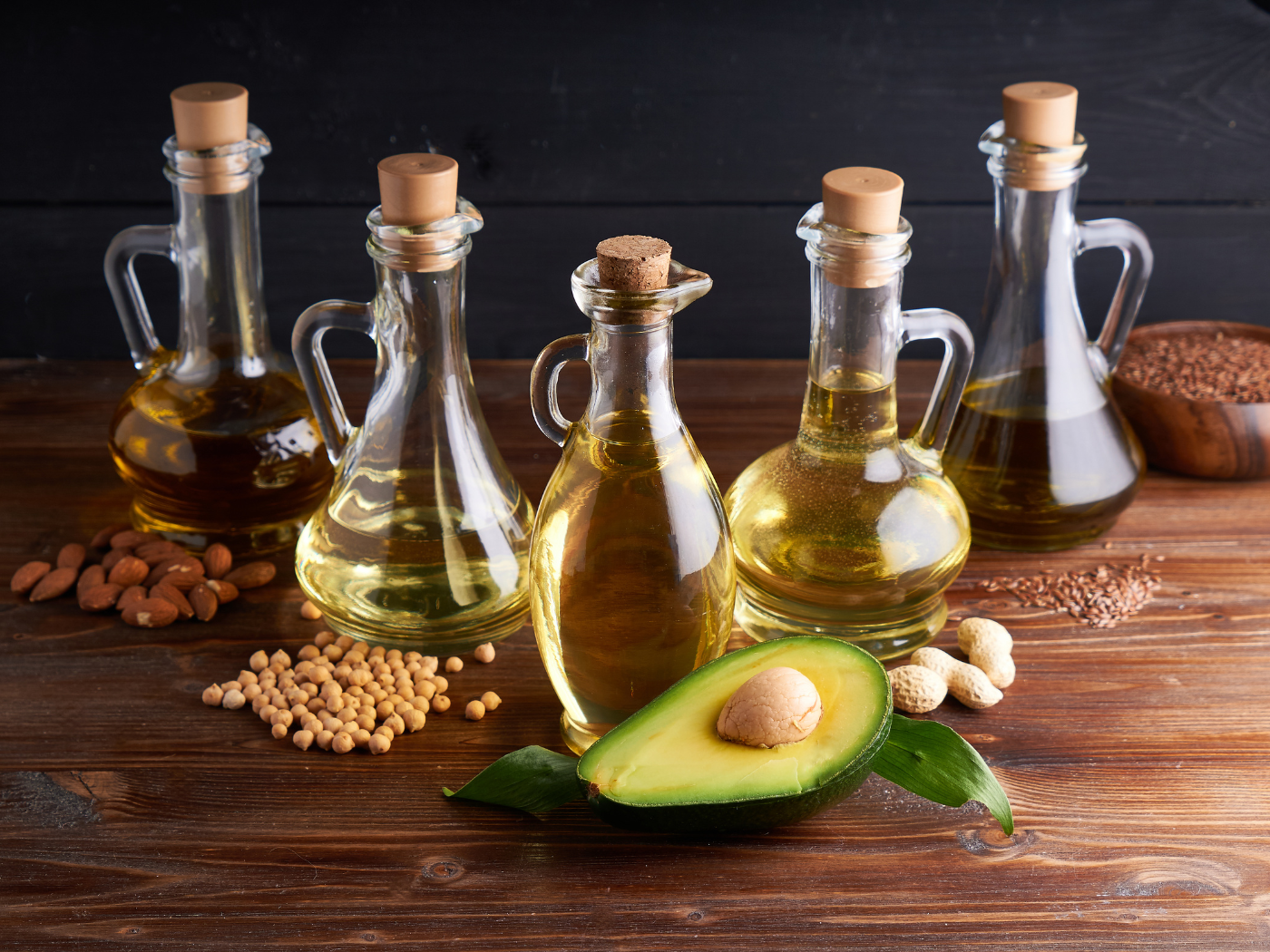
Seed oils are plant-based oils extracted from the seeds of various plants. Seed oils are highly processed, often involving chemical extraction and refinement, which strips away beneficial nutrients and introduces unhealthy trans fats. They are primarily composed of unsaturated fats, including monounsaturated and polyunsaturated fats (like omega 6 linolic acid (LA), known for their harmful effects on health.

- Canola oil aka Rapeseed (21% LA)
- Cotton seed oil (53% LA)
- Corn oil (60% LA)
- Grapeseed oil (71% LA)
- Peanut oil (30% LA)
- Rice bran oil (30% LA)
- Safflower oil (71% LA)
- Soybean oil (55% LA)
- Sunflower oil (66% LA)
Seed oils have become a staple in modern diets, but at what cost?
Health Implications

Seed oils have come under scrutiny regarding their health effects, primarily due to how they are processed, their high omega-6 fatty acids, and their widespread use. The predominant omega-6 fatty acid found in these oils, linoleic acid, promotes chronic inflammation when consumed in excess. Chronic inflammation is associated with several health issues, including heart disease, diabetes, and obesity.
- Polyunsaturated fats oxidize easily during production and while sitting on the shelf and continue to oxidize in the body. Oxidization forms toxic products, including aldehydes (also found in cigarette smoke), that cause cell death and dysfunction and interfere with DNA, all linked to aging, Alzheimer’s, diabetes, cardiovascular disease, and a shorter life span. Oxidization products also damage mitochondria (the engines that run cells).
- Polyunsaturated fat (linolic acid) is 40x more prone to oxidization than monounsaturated (found in olive oil).
- Frying in polyunsaturated fats gives off 100-200 times the safe daily limit for toxic aldehydes.
- Processing tiny seeds to collect oil requires multiple high-heat steps that oxidize and create a rancid oil that needs to be deodorized (another round of high heat) to be tolerable to consume.
- Omega 6 linoleic acids build up in our bodies. The amount found in Americans’ fat cells has doubled from just under 10% in 1960 to 21% in 2008.
- Detoxifying from excess linoleic acid is a lengthy process due to the body’s slow fat turnover. Research indicates that the half-life of omega-6 fats in adipose tissue is approximately 680 days. Additionally, studies suggest that it can take about three years for the body’s fatty acid composition to fully reflect changes in diet. Restoring a healthy balance between omega-6 and omega-3 fatty acids may take several years.

Traditional fats and oils are minimally processed, have better fatty acid ratios, and higher levels of nutrients, vitamins and antioxidants. Saturated fats are essential for human physiology; they provide structural integrity to cell membranes, support immune function, aid in insulin receptor activity, and are crucial for brain health. They also help suppress inflammation and carry vital fat-soluble vitamins A, D, and K2.
- Saturated fats (coconut, lard & tallow) are resistant to oxidation.
- Olive oil, particularly extra virgin, low in linolic acid, helps reduce inflammation, and provides antioxidants.
- Coconut oil contains medium-chain triglycerides (MCTs) that may boost metabolism, cognitive function and support weight management.
- Avocado oil, although a relatively modern oil, offers many health benefits when minimally processed. It is lower in linolic acid and is high in antioxidants and vitamins, which can enhance heart, skin, and eye health.
Knowledge is Power
Embrace the wisdom of ancestral diets by replacing processed oils with these natural fats and oil to improve your health.
Helpful Resources
- Curious about the fascinating history of fats and oils and how industry influence and marketing have shaped our health? Discover the untold stories behind these essential ingredients through Primally Nourished’s engaging content. Uncover the truths that could change how you think about what you eat!
- Are you looking to embrace the goodness of traditional fats in your meals? Primally Nourished’s extensive recipe database, brimming with delicious dishes that showcase these nutrient-packed powerhouses! From creamy butter to rich olive oil, discover how to elevate your cooking while nourishing your body. Let’s get cooking!
Summary
Seed oils, such as canola and sunflower oil, are questionably produced and linked to chronic inflammation and many related health issues. Traditional fats like butter, ghee, olive and coconut oil provide essential nutrients and have a more stable composition. While traditional fats have been vilified for a long time, understanding their history and properties is crucial for making informed dietary choices supporting overall health.
Explore the Primally Nourished suite of tools to embrace a healthy lifestyle with ease! All things health all in one place, the management of me made simple! Learn more.
Sources
https://health.clevelandclinic.org/seed-oils-are-they-actually-toxic
https://www.westonaprice.org/health-topics/know-your-fats/know-your-fats
https://chriskresser.com/how-industrial-seed-oils-are-making-us-sick/
https://www.westonaprice.org/health-topics/know-your-fats/precious-yet
https://primallynourished.com/u/food-facts#fats-and-oils_fats-and-oils-overview