Jump ahead
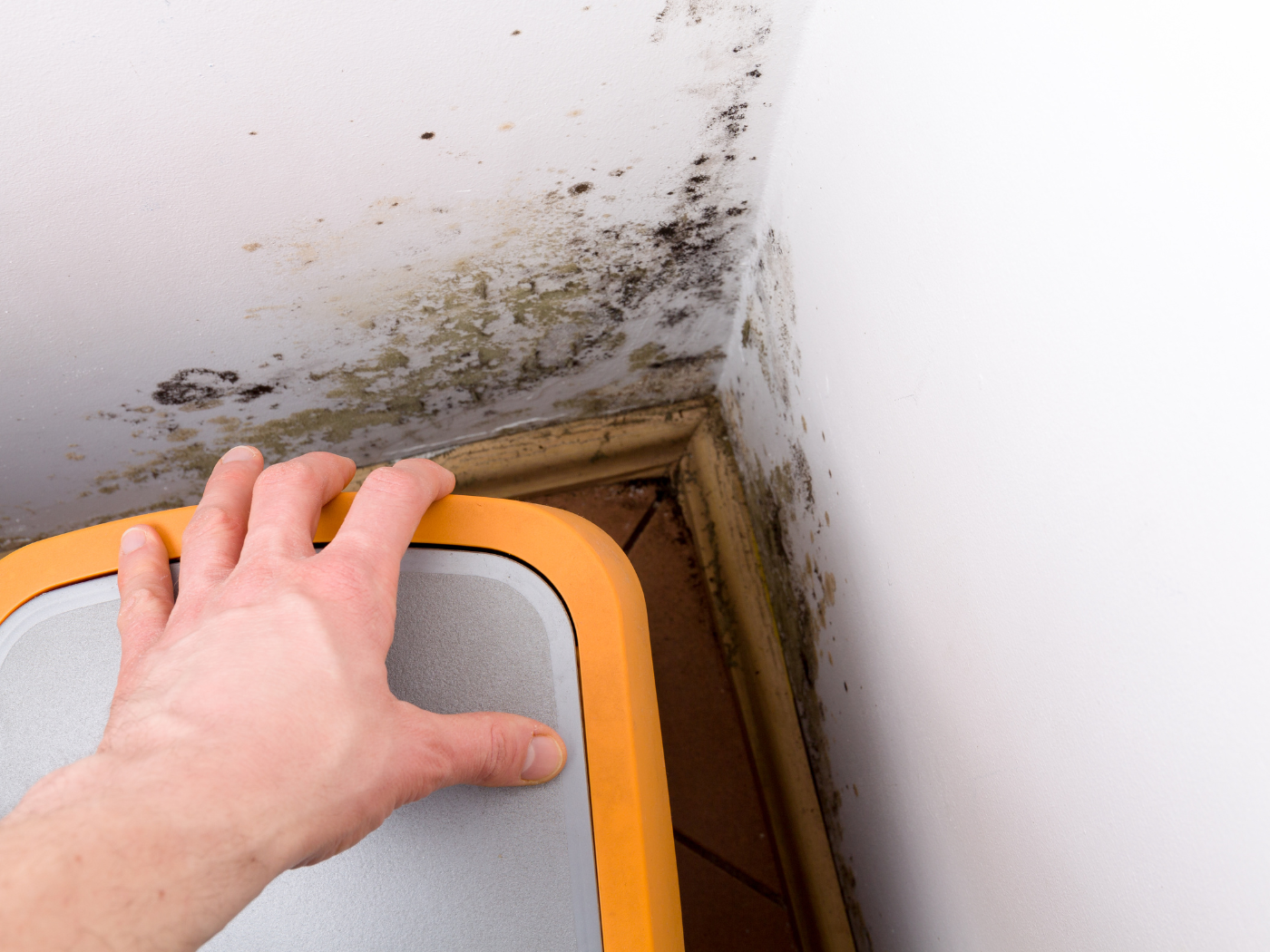
Toxic mold is an insidious threat that can compromise the health of you and your loved ones without warning. Often hidden in damp corners, behind walls, or under flooring, mold thrives in environments we might not suspect. Microscopic spores can infiltrate the air we breathe, triggering a range of health issues, from mild allergies to severe respiratory conditions. While mold is a natural part of the environment, certain types, like Stachybotrys (black mold), release mycotoxins that pose significant risks, particularly in poorly ventilated or water-damaged homes.
Understanding the dangers of toxic mold, its sources, and how to prevent it is crucial for maintaining a safe living space. This article explores the health implications of mold exposure, common household sources, and actionable steps to protect your home and well-being from this silent menace.
What is Toxic Mold?

Toxic mold refers to certain fungi, such as Stachybotrys chartarum, Aspergillus, and Penicillium, that produce mycotoxins—harmful chemicals that can affect human health. Unlike benign molds, these species thrive in damp, humid environments and release spores that can be inhaled or come into contact with skin.
Mycotoxins are particularly dangerous because they can persist in the environment even after the mold itself is removed. While not all molds are toxic, identifying and addressing harmful species is critical, as prolonged exposure can lead to serious health consequences, especially for vulnerable populations like children, the elderly, or those with compromised immune systems.
Health Risks of Toxic Mold Exposure

Exposure to toxic mold can cause a spectrum of health issues, ranging from mild to severe. Common symptoms include allergic reactions like sneezing, itchy eyes, skin rashes, and respiratory problems such as wheezing or asthma exacerbation. Prolonged exposure may lead to chronic conditions like sinusitis or bronchitis.
In rare cases, mycotoxins can cause neurological symptoms, including headaches, memory loss, or mood changes, particularly in individuals with prolonged exposure to high concentrations. For immunocompromised individuals, mold exposure can lead to invasive fungal infections, which can be life-threatening. Children are especially vulnerable, as their developing systems are more susceptible to damage.
Common Sources of Mold in Homes

Mold thrives in moist, poorly ventilated areas, making homes with water damage particularly susceptible. Common sources include leaking pipes, flooded basements, or roofs with poor sealing, which create ideal conditions for mold growth. Bathrooms, kitchens, and laundry rooms are also hotspots due to high humidity from showers, cooking, or dryers. Hidden mold can grow behind wallpaper, under carpets, or inside HVAC systems, making it difficult to detect.
The EPA estimates that 50% of U.S. homes have conditions conducive to mold growth, often due to unnoticed leaks or inadequate maintenance. Even small spills or condensation on windows can foster mold if not addressed promptly. Regular inspections and moisture control are essential to prevent mold from taking hold in these vulnerable areas.
Prevention and Remediation Strategies

Preventing toxic mold starts with controlling moisture in your home. Hiring an indoor environmental professional (IEP) to test for mold contamination and certified mold removal specialists for extensive contamination is recommended, as improper handling can spread spores. Less expensive DIY mold test kits can provide a preliminary assessment, but have limitations and can be unreliable, often requiring professional inspection and testing for confirmation. After remediation, monitor humidity levels (ideally below 50%) and consider mold-resistant paints or materials during repairs. Education is key—knowing the signs of mold, like musty odors or visible growth, empowers homeowners to act swiftly.
Detox and Recovery Strategies

Recovering from toxic mold exposure involves supporting the body’s natural detoxification processes to eliminate mycotoxins and reduce symptoms.
- Hydration is critical: drink plenty of water to flush toxins. Note that increased water intake can dilute electrolytes, potentially leading to imbalances. Adding a pinch of Himalayan or sea salt to your water can help balance sodium levels and boost hydration by regulating fluid and electrolyte balance across cell membranes. Additionally, add mineral-rich foods (e.g., leafy greens, nuts, avocados) or an electrolyte supplement.
- Incorporate antioxidant-rich foods: eat leafy greens, berries, and cruciferous vegetables (e.g., broccoli, kale) to combat oxidative stress caused by mycotoxins.
- Binders: activated charcoal or bentonite clay may bind to toxins in the gut, aiding their elimination, but consult a healthcare provider before starting detox protocols, especially with binders or high-dose supplements, as they may interact with medications or exacerbate symptoms.
- Support liver function: foods and supplements like garlic, turmeric, N-acetylcysteine (NAC) and milk thistle, which enhance detoxification pathways.
- Sweat it out: infrared saunas or moderate exercise can promote sweating, another route for toxin removal. Ensure adequate sleep and reduce stress through practices like yoga or meditation to bolster immune recovery.
If symptoms persist, consider working with a functional medicine practitioner for further testing and treatment to address chronic inflammation or immune dysfunction.
Testing and Treatment

Treatment often involves working with a functional healthcare professional.
- Testing for Mycotoxins: Urine tests can identify specific mycotoxins (e.g., ochratoxin, aflatoxin) in the body to guide treatment.
- Personalized Protocols: A practitioner can tailor detox plans, monitor progress, and address coexisting conditions (e.g., Chronic Inflammatory Response Syndrome, CIRS and MCAS).
- Hormone and Immune Testing: Mold can disrupt hormones and immunity. Testing thyroid, cortisol, and immune markers can help address imbalances.
Summary
Toxic mold poses a significant health risk, from allergic reactions to chronic respiratory and neurological issues, particularly in vulnerable populations. Found in damp, poorly ventilated areas like bathrooms, basements, or behind walls, it thrives in homes with water damage or high humidity. Prevention involves controlling moisture, fixing leaks, and ensuring proper ventilation, while remediation may require professional help for large infestations. Detoxing the body from mold exposure may involve dietary changes, hydration, and supplements to support liver and immune function, alongside medical guidance. By understanding the dangers of toxic mold and taking proactive steps, you can safeguard your home and health. Awareness and timely action are critical to mitigating this silent threat.
Discover delicious, anti-inflammatory meals tailored to support your body’s natural detoxification, reduce mycotoxin-related inflammation, and promote healing. Learn more