Jump ahead
Let’s explore the intersection of nutrition, history, and modern dietary challenges. Dive into the rising interest in ancient wheat varieties as potential alternatives for those struggling with gluten sensitivity.
With millions of individuals in the U.S. avoiding gluten—whether due to celiac disease or non-celiac gluten sensitivity—research suggests that ancient grains like einkorn and Khorasan wheat may offer a solution. Unlike their modern counterparts, these ancient varieties are often touted for their lower gluten content and superior nutritional profiles. This includes higher protein, fiber, and essential minerals.
Understanding Ancient Wheat Varieties
The evolution of wheat cultivation in the United States mirrors a larger pattern of diminished nutritional value and quality which is symptomatic of the widespread industrialization of our food production systems. This shift reflects a prioritization of yield and efficiency over nutritional density and variety, resulting in modern wheat strains that may be less beneficial for our health.

Wheat, originally domesticated nearly 10,000 years ago from wild varieties in the Fertile Crescent, has been significantly shaped by processes such as hybridization and polyploidization (increase to more than two chromosome sets to increase plant size, yield, traits, etc.). These new strains were engineered for greater resistance to pests and diseases, thrive under chemical fertilizers, and dramatically increase yields per acre. However, this focus on maximizing output led to unintended consequences, including a loss of genetic diversity and alterations in the proteins and starches of the wheat kernel that result in increased gluten levels and potential health issues.
Considering this, ancient wheats (sometimes called heirloom wheat) present a compelling case for re-evaluation; consumers may discover a path toward healthier eating by looking to the past.
Einkorn (Triticum monococcum)
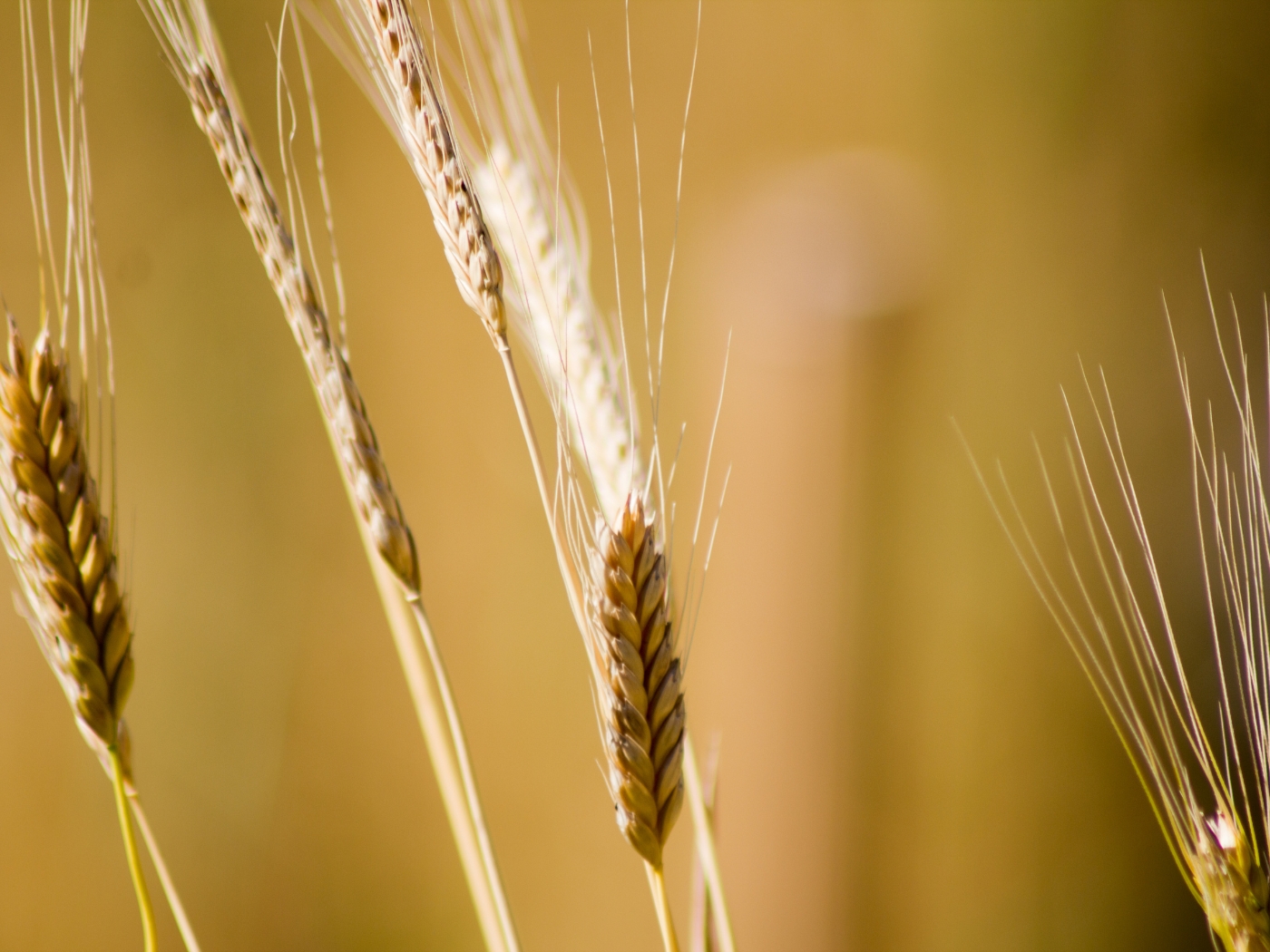
Often called the “mother of all grains,” is an ancient wheat variety estimated around 11,000 years old that holds a significant place in agricultural history. Its name derives from the German word “ein,” meaning “one,” reflecting its unique characteristic of bearing only a single grain on each ear. This wheat variety originated in the Fertile Crescent, where it grew wild before being cultivated by early agricultural societies. It is recognized for its nutritional benefits and unique gluten properties, which may make it easier for some individuals to digest.

- Different Chromosome Structure: Einkorn has a diploid chromosome structure, containing only 14 chromosomes, compared to the hexaploid structure of modern wheat, which has 42 chromosomes. This simpler genetic arrangement results in a fundamentally different gluten composition.
- Lower Levels of Inflammation: Einkorn has lower levels of anti-nutritional factors like alpha-amylase-trypsin inhibitors (ATIs), which are non-gluten wheat proteins associated with systemic inflammation throughout the body, not just in the digestive tract. While gluten takes most of the blame for causing inflammatory bowel diseases, ATIs also play a significant role in contributing to overall inflammatory responses.
- Lower Gluten Content: Gluten is composed of two main types of proteins called gliadins and glutenins. Research indicates that einkorn has lower overall gluten content and a higher ratio of gliadins to glutenins compared to modern wheat, but the gliadins in einkorn are shorter and less elastic. This means that while einkorn contains gluten, its proteins are generally considered weaker and more brittle, breaking down more easily during mixing and digestion.
- Nutrient-dense: einkorn contains higher levels of protein, fiber, vitamins, and minerals compared to modern wheat.
Einkorn is not the only ancient wheat variety with a gluten form considered easier to digest; other ancient wheat, such as spelt and emmer, also exhibit this characteristic, although the extent varies.
Emmer (Triticum turgidum ssp. dicoccum)

Originated over 8,000 years ago and is considered the second oldest wheat, it is another ancient wheat with lower amounts of ATIs than modern wheat. However, it’s still believed to be higher ATI levels than einkorn. It also has a simpler and less robust gluten structure compared to modern wheat, characterized by a different balance of gliadins, making it more digestible. Emmer is notable for its high resistant starch and lysine content, an essential amino acid often lower in other wheat varieties. It is also known for its resilience to heat and drought conditions, allowing it to grow in less fertile soils compared to some other ancient grains.
Spelt (Triticum spelta)

Many people find spelt easier to digest than modern wheat. Its gluten structure features a higher protein and wet gluten percentage and weaker structure than modern wheat, resulting in distinct dough characteristics and digestibility. Spelt has a stronger husk that protects the grain from pests and diseases, reducing the need for pesticides.
Khorasan (Triticum turgidum ssp. turanicum)

Marketed as kamut, khorasan contains lower gluten amounts and weaker structures like that of emmer and spelt, improving digestibility. It’s also more nutritious than its modern counterparts. Khorasan wheat generally contains higher protein levels than other ancient wheat like emmer and einkorn. It also boasts a richer profile of essential fatty acids, vitamins, and minerals, making it particularly appealing for health-conscious consumers seeking alternatives to refined grains. Khorasan wheat kernels are significantly larger than most modern and other ancient wheats.
Ancient Wheat’s Impact on Health
Health Benefits Associated with Ancient Wheat Consumption

With an easier-to-digest gluten structure and rich profiles of vitamins and minerals, incorporating ancient wheat provides a range of health benefits that include cardiovascular health, improvements in digestive health, metabolic regulation, anti-inflammatory effects, bone strength, cognitive support, weight management, and immune function.
Considerations for Gluten Sensitivity and Celiac Disease

Ancient wheat varieties like einkorn, spelt, emmer, and khorasan are not gluten-free. Individuals with celiac disease or severe gluten intolerance should be cautious since these grains still contain gluten proteins that can trigger adverse reactions.
Factor in Wheat Farming Methods
Glyphosate, a widely used herbicide, has raised concerns regarding its gut-damaging potential. Studies suggest that glyphosate residues on wheat may disrupt the gut microbiome, leading to dysbiosis, which is associated with various gastrointestinal issues and increased inflammation.

Glyphosate use is amplified with the common practice of pre-harvest desiccation (where herbicides are applied to crops just before harvest to rapidly dry out the plants, making them easier to harvest). This process can also occur post-harvest to further reduce moisture content for easier storage. What’s concerning is that—there is no rinsing step for these grains after harvest! This means that residues from both pre and post-harvest treatments can remain on the grains, raising significant concerns about food safety.
Organic farming strictly prohibits glyphosate and other chemicals, ensuring that organic products remain free from synthetic substances. This distinction highlights the safety concerns of conventional wheat production methods, as consumers increasingly seek alternatives that prioritize health and environmental sustainability. As awareness of these issues grows, the potential link between glyphosate exposure and rising rates of wheat intolerance further underscores the importance of understanding the implications of agricultural practices on human health.
Improve Your Diet with Ancient Grains
A simple and delicious way to boost your diet with nutrient-rich, easily digestible options! By opting for organic varieties whenever possible, you’ll enjoy superior quality and support sustainable farming practices. Embrace this simple switch and watch how it elevates your meals and well-being.

Helpful Tip: It’s also noteworthy that processes like fermentation like that used in sourdough involve lactic acid bacteria and wild yeasts that produce enzymes that partially break down gluten proteins. This process can make gluten less cohesive and potentially easier to digest for some people.
Summary
With an estimated 1% of the U.S. population having celiac and up to 6% having Non-Celiac Gluten Sensitivity (NCGS), options that offer several health benefits and improved tolerability is invigorating. Meddling with our foods has led to a troubling rise in health disorders that were virtually unheard of in the past. It’s time to reclaim our nutritional heritage and return to the wholesome foods our bodies are designed for. Embracing ancient grains and minimally processed ingredients can be a game-changer in reversing the negative impacts of modern agriculture.
Unlock the secrets to your well-being with our Primally Nourished food intolerance quiz! With easy solutions at your fingertips, you can take charge of your health and feel your best—don’t miss out on this opportunity to transform your diet and enhance your life! Learn more.