Jump ahead
Have you recently heard about oxalates and wondered how they might be affecting you? Maybe you are already aware of oxalate, but navigating the often-confusing world of research is just too much. Oxalates have been gaining more attention from the health and wellness community for their association with inflammation, kidney stones, and declining gut health.
Those who want to improve their health from the inside out have been looking to limit their oxalate intake through low oxalate diets. Some people are more sensitive to oxalates than others and would greatly benefit from limited exposure. Learn about the science behind oxalates, how it impacts your health, and how to effectively lower oxalates in your diet.
The Science Behind Oxalates
Oxalates are naturally occurring compounds found in the tissues of plants and animals. In the body, oxalic acid (the unbound element) can bind with minerals like calcium and then typically excreted through urine. This is a natural and harmless process. In large amounts, however, oxalates can overload your system and build up throughout your body. This includes the blood, muscles, bones, eyes, and organs. Oxalate buildup is most commonly associated with the kidneys.

Oxalates can be toxic at high levels, but for those who are more sensitive to this compound, exposure can be much more dramatic. Oxalate intolerance can arise from genetic, gut, or metabolic issues, leading to the body’s inability to break down oxalates and the buildup of oxalate crystals, causing discomfort or pain.
Dietary Sources of Oxalates
Oxalates are abundant in many common foods, with some containing significantly higher levels than others. The average person consumes around 300 mg of oxalates per day. The more at risk you are for adverse effects of oxalate overload, the fewer oxalates you should intake daily. A maximum of 40-60 mg of oxalates per 2000 calories is recommended for extremely sensitive adults. For children, this number may be much lower.

There isn’t a cheat code to easily identify foods high in oxalates, so it’s important to educate yourself. A key consideration is that oxalate levels can vary even in the same type of plant. As a rule of thumb, there are foods known to have, on average, higher oxalate levels. You don’t necessarily have to cut out high-oxalate foods entirely, as they can have other health-promoting benefits, but it is recommended you consider consuming them in moderation.
Some high-oxalate foods include:
- Almonds
- Beets
- Black beans
- Black berries
- Black tea
- Chocolate
- Oranges
- Raspberries
- Rhubarb
- Soy milk and soy products
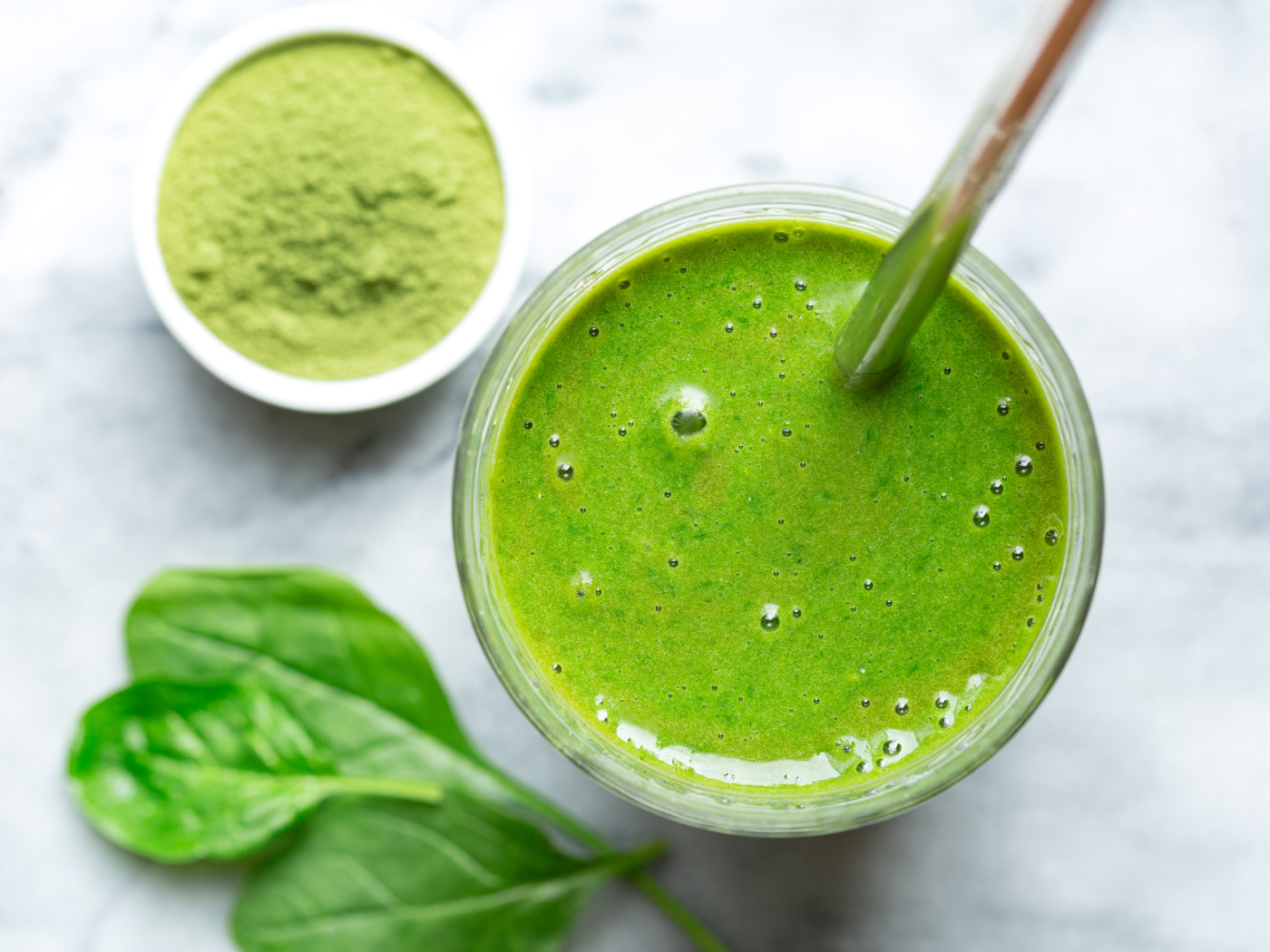
- Spinach
- Wheat
While these foods contain beneficial nutrients, those concerned about oxalates may need to moderate their consumption or pair them with calcium-rich foods to reduce oxalate absorption. It’s important to note that cooking methods can affect oxalate levels.
Symptoms

Oxalate buildup is most commonly associated with kidney stones, but it can affect various systems in the body. Sally Norton, a leading expert on oxalates and author of Toxic Superfoods, highlights how these compounds can negatively impact the body beyond the kidneys.
“Oxalates are quite irritating to the whole body… including your mouth, teeth, and guts. This chemical can start causing systemic problems, leading to issues like kidney stones, joint pain, and even autoimmune conditions.”
Sally K. Norton
Those who are consuming high levels of oxalates or are sensitive to oxalates, even at low levels, can experience a variety of symptoms. These symptoms can vary from slightly uncomfortable to completely disruptive to your well-being and long-term health. Common symptoms and health impacts associated with consistent high oxalate intake include:
Kidney Stones

The most obvious consequence of long-term exposure to high levels of oxalates is kidney stones. Normally, when oxalates combine with calcium, they are dissolved once they reach the kidneys and painlessly pass through the urine. When oxalate levels are too high, they crystalize in the kidneys and can be extremely painful to pass, causing further urinary issues. Symptoms like pain in the lower back or abdomen, difficulty urinating, and blood in urine point to the movement of a kidney stone.
Joint Pain and Stiffness
When your body is overloaded with oxalate crystals, some may be deposited in your joints. The crystals cause discomfort and pain. In serious cases, you may experience stiffness, inflammation, and soreness.
Digestive Problems

For those with digestive sensitivities, consuming too many oxalates can further irritate the gut. When the digestive tract is compromised, it struggles to break down and eliminate oxalates, leading to increased absorption and symptoms like nausea, cramping, bloating, and diarrhea.
Nutrient Deficiencies
Oxalates are sometimes called “antinutrients” because they can block your body from absorbing key minerals like calcium. When calcium binds with oxalates in your digestive tract, it passes through instead of being absorbed, which means you miss out on its health benefits. Magnesium and iron absorption can also be affected, though to a lesser extent. Over time, this can lead to low mineral levels, causing symptoms like bone pain, fatigue, brittle hair and nails, bleeding gums, and muscle weakness.
Oxalate Dumping
Those transitioning to a diet low in high-oxalate foods, such as keto, carnivore, or other low-carb diets, may experience symptoms related to oxalate dumping, the sudden release of stored oxalates into the bloodstream. More on oxalate dumping.
It’s important to note that the impact of oxalates can vary significantly between individuals. Factors such as gut health, hydration levels, and overall diet composition can influence how the body processes and responds to oxalates. For those concerned about oxalate-related symptoms, exploring a low-oxalate diet may resolve seemingly unexplainable symptoms.
Lowering Oxalate Intake
If you think you could benefit from lowering your oxalate intake, all you have to do is avoid high-oxalate foods right? Not so fast! Cutting out oxalates too quickly may cause negative symptoms as well! Here are some tips to do so healthily and effectively:

Low Oxalate Diet
For those who show symptoms of oxalate overload or sensitivity, a low-oxalate diet can be incredibly impactful. Limiting oxalate-rich foods and swapping them out for low-oxalate alternatives will reduce the oxalates stored in the body, prevent crystal formation, and alleviate symptoms. The following foods are good examples of no-to-low-oxalate foods included in a low-oxalate diet:
- Animal products
- Apples
- Arugula
- Chestnuts
- Cucumbers
- Grapes
- Lettuce
- Melons
- Onions
- Pumpkins
- White chocolate
- White rice
When you reduce oxalate intake, your body starts to flush the oxalate buildup from your body. It is important not to drop your oxalate levels too fast, as you may experience a phenomenon called oxalate dumping. This process can be quite unpleasant, so gradually decreasing oxalate intake is recommended.
Pro tip: Use the Primally Nourished oxalate tracking feature to keep your oxalate reduction slow and steady to avoid the effects of oxalate dumping! Learn more
Calcium
Increasing calcium in your diet can help combat the negative effects of oxalates by preventing absorption in the digestive system and limiting the amount of oxalates reaching the kidneys. Pairing calcium-rich foods with those that contain oxalates or taking calcium supplements 30 minutes before eating can greatly limit or outright avoid oxalate buildup.
Food Preparation
Unlike most other antinutrients or toxic food elements, oxalic acid is difficult to reduce by preparation. Boiling and discarding the water showed the best reduction, but other valuable nutrients were also lowered. Steaming seemed somewhat effective, but efficacy was as low as 5%. Both methods’ effectiveness showed wide variance.

Drink Plenty of Water
Staying hydrated by drinking plenty of water can help dilute and flush out oxalates in your urinary tract. This can also help you avoid oxalate kidney stones. On average, humans should drink around 3 liters. Remember that recommended water intake may differ from person to person based on many factors.
Summary
Oxalates are compounds found in many plant-based foods that can block your body from absorbing important minerals like calcium, magnesium, and iron. While high oxalate intake can lead to issues like kidney stones, joint pain, and digestive problems, you don’t need to cut them out completely. Instead, focus on moderating high-oxalate foods, pairing them with calcium, and using proper cooking methods to lower oxalate levels in your diet.
For more in-depth info on oxalates and tracking to help reduce your intake, try the complete Primally Nourished suite risk-free for 14-days (no payment info required)! Learn more